The Philippines faces unique challenges in maintaining the health status of its population, particularly during the rainy season. With limited resources and infrastructure, the country’s healthcare system may struggle to provide adequate healthcare services to all its citizens. The prevalence of common illnesses during this season poses additional burdens on the healthcare system and the population at large.
In a third-world country like the Philippines, factors such as poor sanitation, inadequate access to clean water, and limited healthcare facilities in rural areas can contribute to the spread of infectious diseases. The rainy season exacerbates these challenges as heavy rains and floods can contaminate water sources and facilitate the breeding of disease-carrying mosquitoes and other vectors. Additionally, the lack of proper housing and overcrowded living conditions in some areas make it difficult to prevent the transmission of illnesses.
Efforts are being made by the government, non-governmental organizations, and international partners to address the healthcare needs in the Philippines. Initiatives include improving access to healthcare services, promoting health education and hygiene practices, and enhancing disease surveillance and prevention programs. However, there is still a long way to go in achieving comprehensive healthcare coverage and reducing the burden of diseases, especially during the rainy season.
Despite the challenges, the Filipino people exhibit resilience and resourcefulness in coping with the health risks posed by the rainy season. Community support, including information dissemination, disaster preparedness, and collaborative efforts, are vital in minimizing the impact of common illnesses. By prioritizing public health initiatives, investing in healthcare infrastructure, and ensuring equitable access to healthcare services, the Philippines can continue to make strides towards improving the health status of its population, particularly during the rainy season.
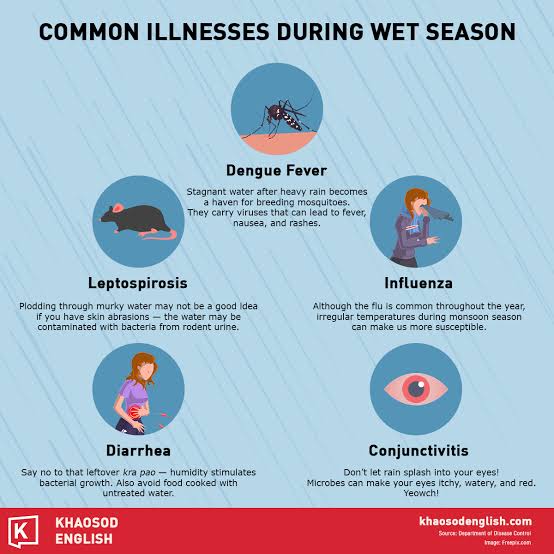
During the rainy season in the Philippines, several common illnesses tend to occur. Here are six of them, along with their symptoms, possible causes, and remedies to avoid or manage them:
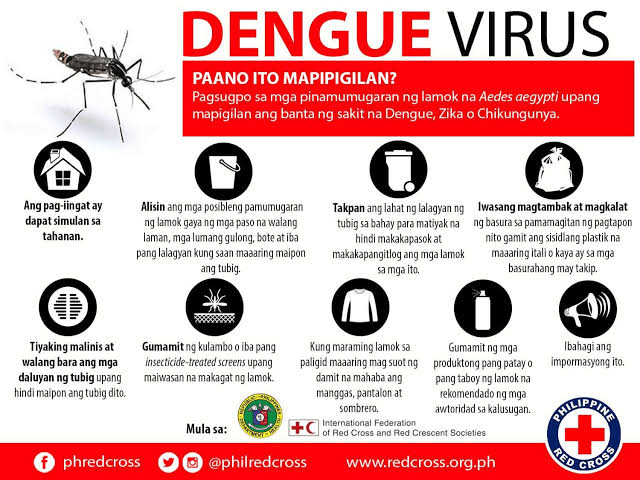
Dengue Fever:
- Symptoms: High fever, severe headache, joint and muscle pain, rash, fatigue.
- Causes: Mosquito-borne viral infection transmitted by the Aedes mosquito breeding in stagnant water.
- Remedies: Eliminate stagnant water, use mosquito repellents, wear protective clothing, and seek medical attention if symptoms develop.
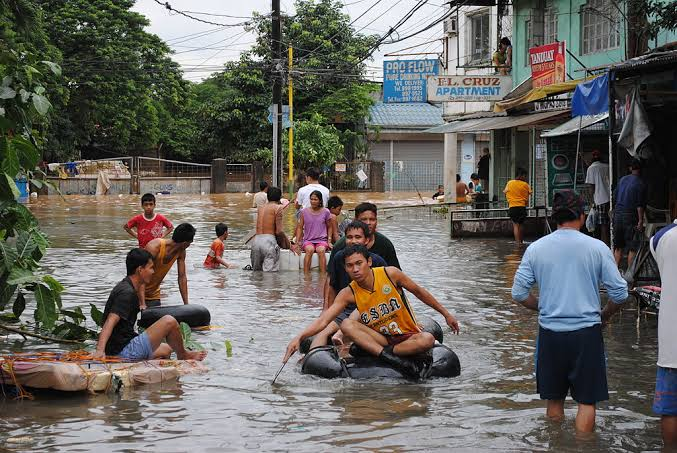
Leptospirosis:
- Symptoms: High fever, severe headache, muscle pain, chills, vomiting, jaundice.
- Causes: Bacterial infection transmitted through contact with water or soil contaminated with urine of infected animals, especially rodents.
- Remedies: Avoid wading through floodwaters, wear protective clothing and footwear, maintain good hygiene, and seek medical attention if symptoms occur.

Flu and Common Colds:
- Symptoms: Runny or stuffy nose, sore throat, cough, body aches, fatigue.
- Causes: Viral infections spread through respiratory droplets from infected individuals.
- Remedies: Frequent handwashing, covering mouth and nose when coughing or sneezing, maintaining a healthy immune system, and staying hydrated.

Typhoid Fever:
- Symptoms: High fever, abdominal pain, headache, constipation or diarrhea, weakness.
- Causes: Bacterial infection caused by Salmonella typhi, usually transmitted through contaminated food or water.
- Remedies: Drink clean water, practice good hygiene, ensure proper food handling and preparation, and get vaccinated if recommended.
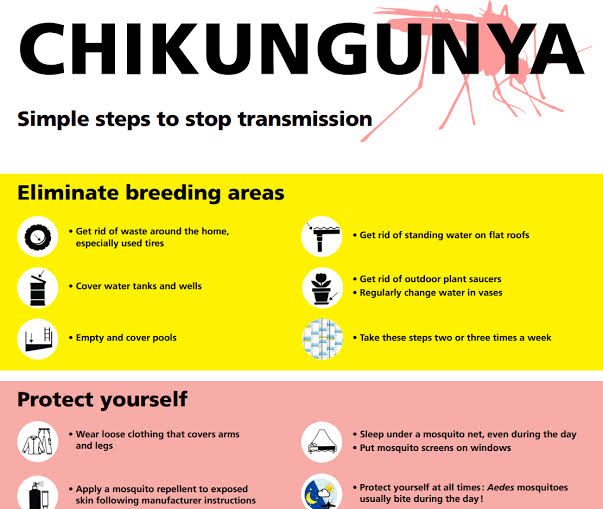
Chikungunya:
- Symptoms: High fever, joint pain, muscle pain, rash, fatigue.
- Causes: Viral infection transmitted by the Aedes mosquito, similar to dengue fever.
- Remedies: Use mosquito repellents, wear protective clothing, eliminate mosquito breeding sites, and seek medical care if symptoms develop.

Skin Infections:
- Symptoms: Redness, itching, rash, swelling, pain, blisters.
- Causes: Fungal or bacterial infections thrive in warm and humid conditions, commonly found during the rainy season.
- Remedies: Keep skin clean and dry, avoid sharing personal items, wear appropriate footwear, and seek medical advice for proper diagnosis and treatment.
It is crucial to note that prevention plays a significant role in avoiding these illnesses during the rainy season. Maintaining personal hygiene, keeping the environment clean, and taking necessary precautions against mosquito breeding are essential steps. Additionally, staying informed about health advisories, following vaccination schedules, and seeking medical attention when needed are important aspects of disease prevention and management.
 The Daily Netizen