Adobo, Kare-Kare, Lechon Kawali, Bulalong Batangas, & Crispy Pata
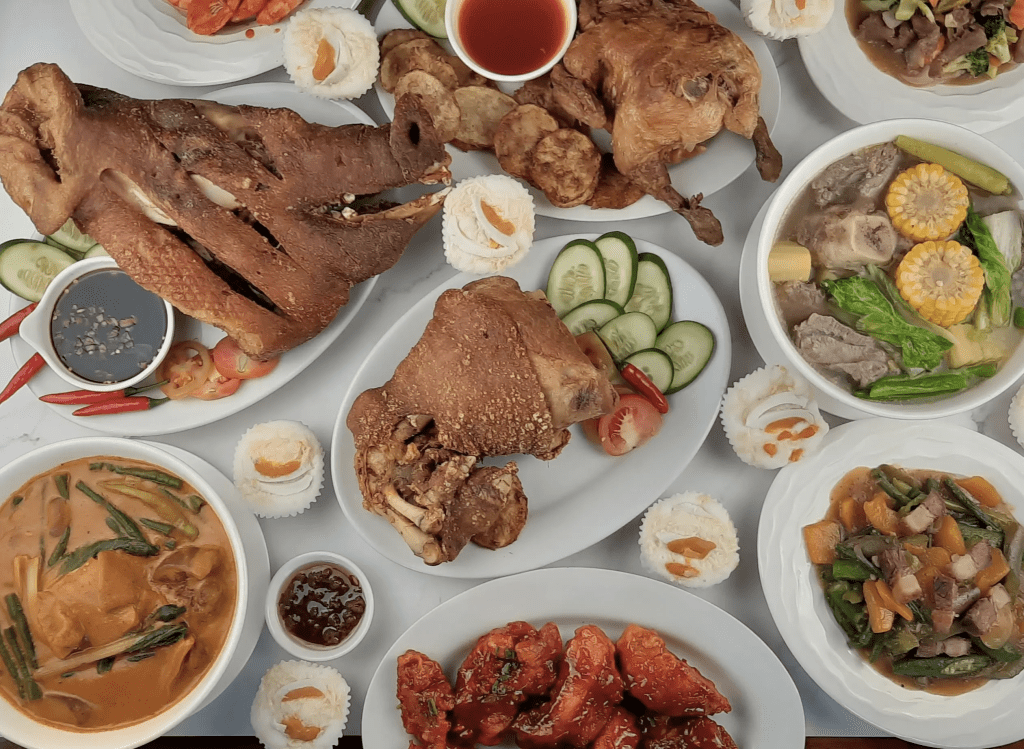
Welcome, food enthusiasts, to a culinary voyage through the diverse and flavorful world of Filipino cuisine. Bursting with vibrant colors, bold flavors, and cultural significance, Filipino dishes are an embodiment of the country’s rich history and traditions. Each dish tells a story, blending indigenous flavors with influences from Spanish, Chinese, and American cultures. In this blog, we will embark on a gastronomic journey, exploring some of the must-try Filipino dishes and uncovering the secrets behind their irresistible appeal. Get ready to tantalize your taste buds and embrace the wonders of Filipino culinary heritage!
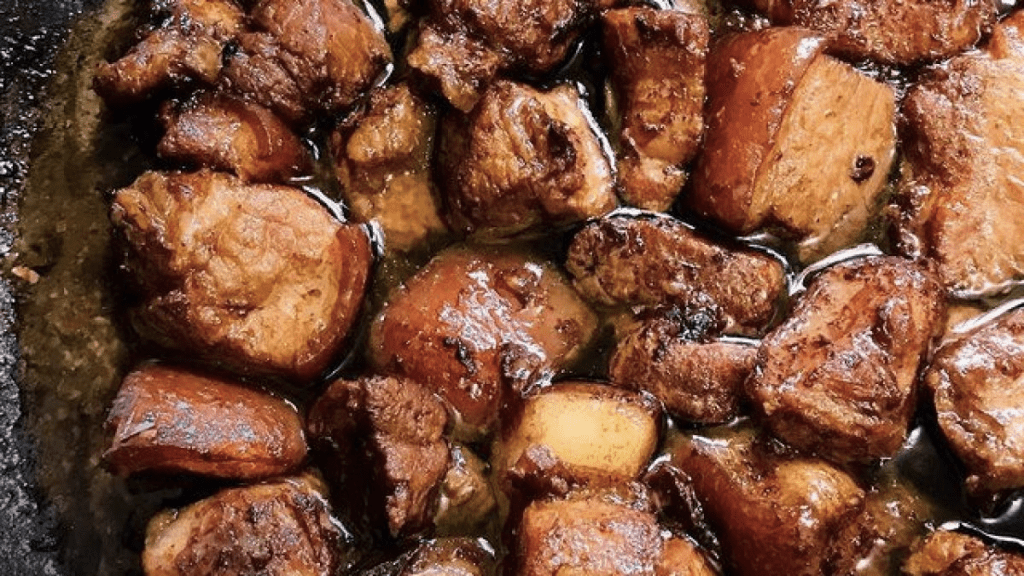
Adobo: A Timeless Filipino Classic
No exploration of Filipino cuisine would be complete without indulging in the legendary dish known as Adobo. As the epitome of comfort food, Adobo holds a special place in the hearts of Filipinos and is a true representation of their resourcefulness in the kitchen. Adobo is a dish of succulent meat, typically chicken or pork, marinated in a heavenly blend of vinegar, soy sauce, garlic, and spices. The ingredients meld together, creating a symphony of flavors that dance on your palate. The magic lies in the slow-cooking process, allowing the meat to absorb the rich essence of the marinade, resulting in tender morsels that melt in your mouth. Adobo’s versatility and unparalleled taste have made it a staple in Filipino households and a must-try dish for anyone seeking an authentic Filipino culinary experience.
Easy Adobo Recipe:
Ingredients:
- 1 kg chicken or pork, cut into pieces
- 1/2 cup vinegar
- 1/2 cup soy sauce
- 6 cloves garlic, minced
- 1 tablespoon whole peppercorns
- 3 bay leaves
- 1 tablespoon cooking oil
Instructions:
- In a large bowl, combine vinegar, soy sauce, minced garlic, peppercorns, and bay leaves.
- Add the chicken or pork to the marinade and mix well. Let it marinate for at least 30 minutes, but for best results, refrigerate overnight.
- Heat the cooking oil in a large pan over medium heat. Remove the meat from the marinade and reserve the marinade.
- Sear the meat in the hot oil until browned on all sides.
- Pour in the reserved marinade and bring it to a boil. Reduce the heat, cover, and let it simmer for about 30-40 minutes or until the meat is tender.
- Once the meat is tender, remove it from the sauce and transfer to a serving dish.
- Increase the heat to medium-high and let the sauce reduce and thicken for a few minutes.
- Pour the sauce over the meat and serve hot with steamed rice.
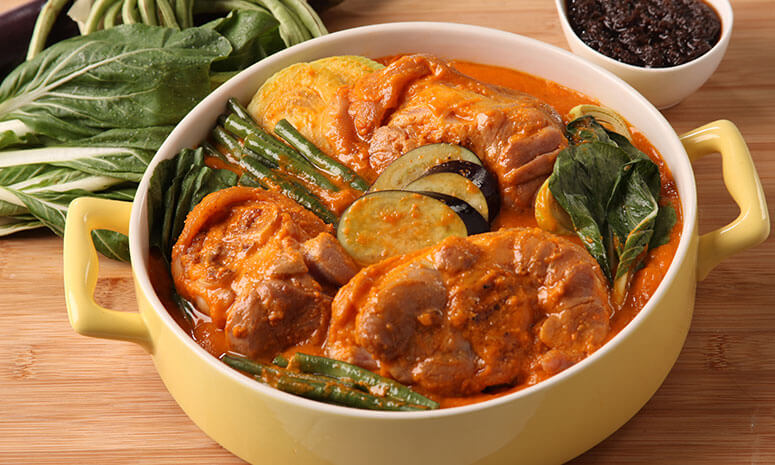
Kare-kare: A Medley of Flavors and Textures
Prepare yourself for a truly indulgent experience with Kare-kare, a Filipino dish that embodies the essence of comfort food. This exquisite dish features tender oxtail, tripe, or beef simmered in a thick, savory peanut sauce. The peanut sauce is the heart and soul of Kare-kare, delivering a unique flavor that blends perfectly with the richness of the meat. Complementing the dish are an array of vibrant vegetables such as eggplant, string beans, and bok choy, adding freshness and a delightful crunch. Kare-kare is typically served with bagoong, a fermented shrimp paste, which provides a perfect balance of saltiness and umami. This dish is a celebration of Filipino culinary ingenuity and a testament to the country’s love for bold and harmonious flavors.
Easy Kare-kare Recipe: Ingredients:
- 1 kg oxtail, tripe, or beef, cut into serving pieces
- 2 cups peanut butter
- 1 cup ground roasted peanuts
- 4 cloves garlic, minced
- 1 onion, chopped
- 2 tablespoons cooking oil
- 4 cups beef broth
- 1 eggplant, sliced
- 1 bundle string beans, cut into 2-inch pieces
- 1 bok choy, sliced
- Bagoong (fermented shrimp paste), for serving
Instructions:
- In a large pot, heat the cooking oil over medium heat. Sauté the garlic and onion until fragrant and translucent.
- Add the oxtail, tripe, or beef to the pot and cook until browned on all sides.
- Pour in the beef broth and bring it to a boil. Reduce the heat to low, cover, and simmer for about 2-3 hours or until the meat is tender.
- In a separate bowl, mix the peanut butter and ground peanuts with a small amount of broth to form a smooth paste. Add this mixture to the pot and stir well to incorporate.
- Add the eggplant and string beans to the pot and cook for about 5 minutes or until the vegetables are tender.
- Finally, add the bok choy and cook for an additional 2 minutes.
- Serve hot with steamed rice and bagoong on the side.
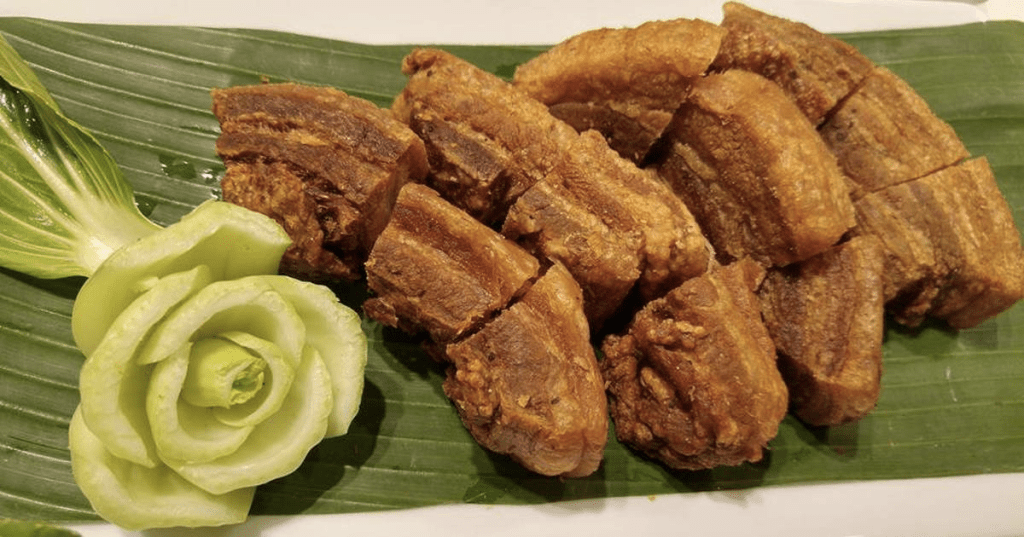
Lechon Kawali: Crispy Pork Goodness
If you’re a fan of crispy, flavorful pork, then Lechon Kawali is an absolute must-try dish. This Filipino delicacy boasts tender and juicy pork belly with a crackling, golden-brown skin that will leave you craving for more. The secret to achieving the perfect Lechon Kawali lies in the two-stage cooking process. First, the pork is simmered until tender, ensuring it remains moist and succulent. Then, it is deep-fried until the skin turns into a glorious crisp. The result is a symphony of textures—a heavenly combination of tender meat and a satisfying crunch. Lechon Kawali is often served with a tangy vinegar dipping sauce, providing a delightful contrast to the richness of the pork. Be warned: once you take a bite, you’ll find it hard to resist this crispy pork masterpiece.
Easy Lechon Kawali Recipe: Ingredients:
- 1 kg pork belly
- 6 cloves garlic, crushed
- 1 tablespoon salt
- 1 teaspoon whole peppercorns
- Water, for boiling
- Cooking oil, for frying
Instructions:
- In a large pot, combine the pork belly, garlic, salt, and peppercorns. Add enough water to cover the pork.
- Bring the water to a boil over medium heat. Reduce the heat to low, cover, and simmer for about 1 hour or until the pork is tender.
- Remove the pork from the pot and let it cool for a few minutes. Pat the pork dry using paper towels to remove excess moisture.
- In a deep pan or wok, heat the cooking oil over medium-high heat. Carefully lower the pork into the hot oil, skin side down.
- Fry the pork for about 10-15 minutes or until the skin becomes crispy and golden brown. Flip the pork and fry the other side for an additional 5 minutes.
- Once the pork is crispy and cooked through, remove it from the oil and let it drain on a wire rack or paper towels.
- Allow the pork to rest for a few minutes before slicing into serving pieces.
- Serve hot with steamed rice and a vinegar dipping sauce.
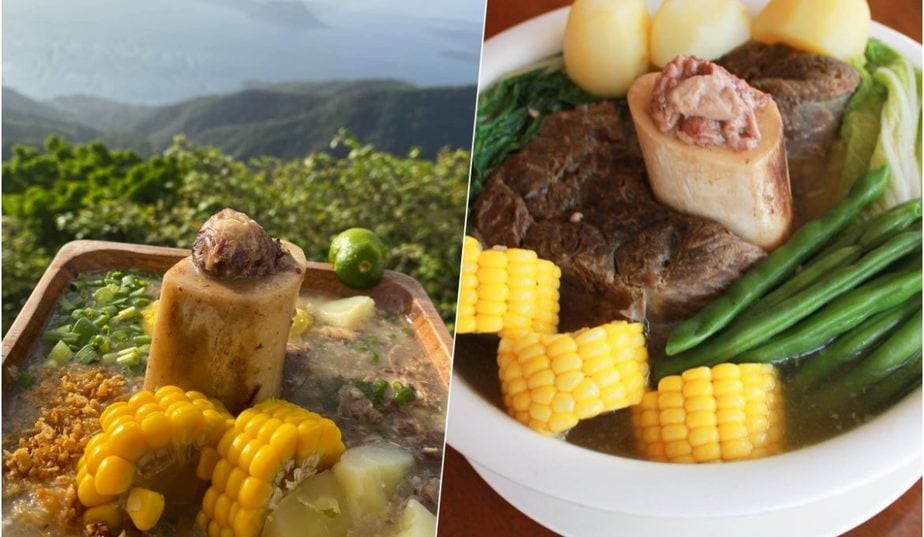
Bulalong Batangas: A Hearty Beef Soup to Warm the Soul
Get ready to experience comfort in a bowl with Bulalong Batangas, a classic Filipino beef soup that will warm your heart and soul. Originating from the province of Batangas, this dish showcases the rich flavors of beef, enhanced by a medley of vegetables and aromatic spices. The star of the show is the tender beef shanks, simmered to perfection in a flavorful broth that is enriched with onions, garlic, and peppercorns. This hearty soup is often enjoyed with a side of patis (fish sauce) and calamansi, a local citrus fruit, adding a tangy and savory element to each spoonful. With its comforting warmth and robust flavors, Bulalong Batangas is a must-try dish that will leave you feeling nourished and satisfied.
Easy Bulalong Batangas Recipe: Ingredients:
- 1 kg beef shanks
- 1 onion, chopped
- 4 cloves garlic, minced
- 1 teaspoon whole peppercorns
- 2 tablespoons fish sauce
- 1 tablespoon cooking oil
- 6 cups water
- Salt, to taste
- Fresh vegetables (e.g., cabbage, pechay or bok choy), for serving
- Calamansi or lemon wedges, for serving
Instructions:
- In a large pot, heat the cooking oil over medium heat. Sauté the onions and garlic until fragrant and translucent.
- Add the beef shanks to the pot and cook until browned on all sides.
- Pour in the water and add the whole peppercorns. Bring it to a boil, then reduce the heat to low and simmer for about 2-3 hours or until the beef is tender.
- Skim off any impurities that rise to the surface of the broth.
- Season with fish sauce and salt to taste.
- Add the fresh vegetables to the pot and cook for about 3-5 minutes or until they are tender yet still crisp.
- Serve the Bulalong Batangas hot in bowls, along with steamed rice. Squeeze calamansi or lemon juice over the soup before enjoying.
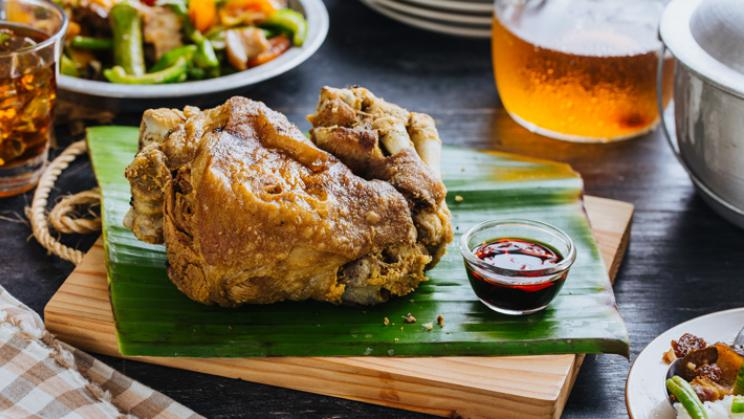
Crispy Pata: Indulge in the Perfectly Crispy Pork Knuckle
Prepare your taste buds for a decadent delight with Crispy Pata, a beloved Filipino dish that showcases the art of achieving perfectly crispy and flavorful pork knuckle. This dish features a whole pork leg that is first simmered until tender and then deep-fried until the skin becomes golden and crackling. The result is a mouthwatering combination of tender, juicy meat and a delectably crispy exterior. Crispy Pata is often enjoyed with a dipping sauce made from a mixture of soy sauce, vinegar, and chili, providing a tangy and savory accompaniment. The richness and indulgence of this dish make it a favorite during special occasions and gatherings. Get ready to experience the ultimate pork pleasure with every bite of Crispy Pata.
Easy Crispy Pata Recipe: Ingredients:
- 1 whole pork knuckle (pata)
- 6 cloves garlic, crushed
- 1 onion, quartered
- 1 tablespoon salt
- 1 teaspoon whole peppercorns
- Water, for boiling
- Cooking oil, for frying
Instructions:
- In a large pot, combine the pork knuckle, garlic, onion, salt, and peppercorns. Add enough water to cover the pork.
- Bring the water to a boil over medium heat. Reduce the heat to low, cover, and simmer for about 2-3 hours or until the pork is tender.
- Remove the pork from the pot and let it cool for a few minutes. Pat the pork dry using paper towels to remove excess moisture.
- In a deep pan or wok, heat the cooking oil over medium-high heat. Carefully lower the pork into the hot oil, skin side down.
- Fry the pork for about 10-15 minutes or until the skin becomes crispy and golden brown. Flip the pork and fry the other side for an additional 5 minutes.
- Once the pork is crispy and cooked through, remove it from the oil and let it drain on a wire rack or paper towels.
- Allow the pork to rest for a few minutes before chopping it into serving pieces.
- Serve hot with a dipping sauce made from a mixture of soy sauce, vinegar, and chili.
 The Daily Netizen