
Cats have always been known for their intriguing behaviors and peculiar habits. Among these behaviors, kneading stands out as a common yet enigmatic activity displayed by our beloved feline companions. While it may seem peculiar to us humans, kneading holds a significant meaning for cats. Understanding this behavior can provide valuable insights into our furry friends’ needs and preferences, enabling us to develop a deeper connection with them.
Kneading, often referred to as “making biscuits,” involves the rhythmic motion of a cat’s paws pressing into a soft surface, such as a blanket, another cat, or even your lap. During this activity, some cats may exhibit signs of bliss, drooling and becoming entranced in the process. But what exactly are they doing when they knead? Several theories have emerged to shed light on this captivating behavior.
One theory suggests that kneading is a remnant of a kitten’s nursing behavior. As kittens nurse, they instinctively knead their mother’s mammary glands to stimulate milk flow and ensure a satisfying feeding experience. This behavior can persist into adulthood, providing cats with a sense of comfort and security. Contrary to the belief that early separation from the mother causes kneading, evidence indicates that nearly all cats engage in this behavior regardless of their weaning age.
Another theory proposes that cats knead to express contentment and pleasure. Cats often knead while being petted or when settling into a cozy spot for a nap. By kneading, they may be signaling their satisfaction, inviting us to share in their joy. In some cases, kneading can also serve as a self-soothing mechanism for cats experiencing stress or anxiety, helping them create a calming environment.
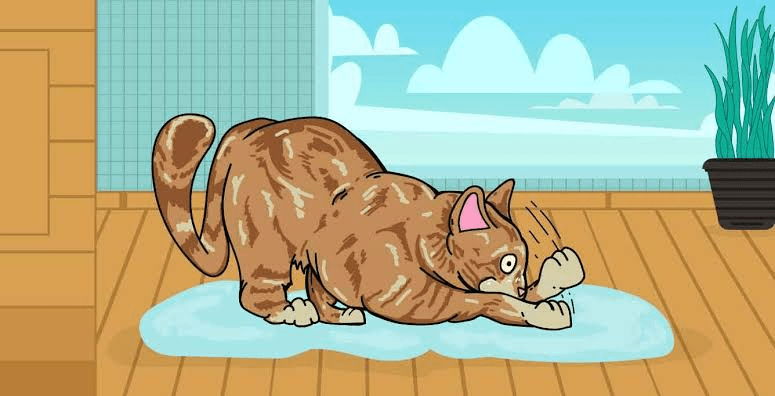
Interestingly, kneading can be attributed to a cat’s innate instinct to create a comfortable resting place. Similar to how dogs circle before lying down, wild feline ancestors would knead tall grass to form soft mounds for resting. This behavior might persist in domesticated cats as they instinctively prepare their sleeping area, turning a surface into a cozy and inviting spot.
Additionally, kneading can serve as a form of territorial marking. Cats heavily rely on scent-related communication, employing scent markers to assert their ownership and communicate with other cats. A cat’s paws contain scent glands, and by scratching and kneading, they leave behind their unique scent signature. This behavior not only marks their territory but also provides a message to other animals, signaling their presence.
While kneading is often endearing, it can pose challenges if a cat engages in the behavior with their claws extended. This may lead to discomfort or accidental damage to furniture, blankets, or even fellow pets. To promote appropriate kneading behavior, consider the following tips:
- Trim your cat’s claws regularly to prevent any discomfort caused by sharp claws.
- Encourage your cat to knead on a designated surface. Feliway products, which utilize pheromone-based sprays, can be useful in redirecting your cat’s kneading behavior to a specific blanket or area, saving your lap from potential scratches.
- Redirect your cat’s attention with treats or engaging toys. Cats are highly trainable, and by substituting kneading with alternate activities such as sitting or chasing a toy, you can effectively shift their focus.
- If your cat continues to knead with claws out, consider providing a special “kneading-only” thick blanket on your lap. This will protect you from potential scratches and establish a clear boundary for your cat’s kneading behavior. Additionally, gently placing your cat on the ground and offering a distraction with treats or toys can redirect their attention.
- It is essential to avoid punishing your cat for kneading. Punishment may result in negative reactions and potential aggression from your cat. Instead, opt for redirection and distraction techniques, ensuring that your cat’s trust remains intact.
Ultimately, kneading is a natural and instinctive activity for cats. Understanding its significance allows us to celebrate and strengthen our bond with these enigmatic creatures. By deciphering their behaviors and gestures, we can better cater to their needs and provide them with a comfortable and fulfilling environment, fostering a harmonious relationship between humans and their feline companions.
 The Daily Netizen