The Philippines, a vibrant archipelago in Southeast Asia, holds a rich and diverse history that often captivates the imagination.
While some chapters of its past are well-known, there are intriguing and lesser-known aspects that deserve recognition.
In this blog article, we uncover 10 fascinating and almost unknown historical facts about the Philippines, shedding light on the country’s unique heritage.

1. The World’s Oldest Known Artwork: In a cave in Cagayan, a 3500-year-old painting was discovered, making it one of the world’s oldest known artworks.
The cave drawings in Peñablanca, Cagayan are known as the Callao Cave Drawings. Callao Cave, located in the municipality of Peñablanca in the province of Cagayan, Philippines, is famous for its stunning limestone formations and historical significance. The cave holds a collection of ancient drawings made by early inhabitants, providing a glimpse into the region’s prehistoric past.
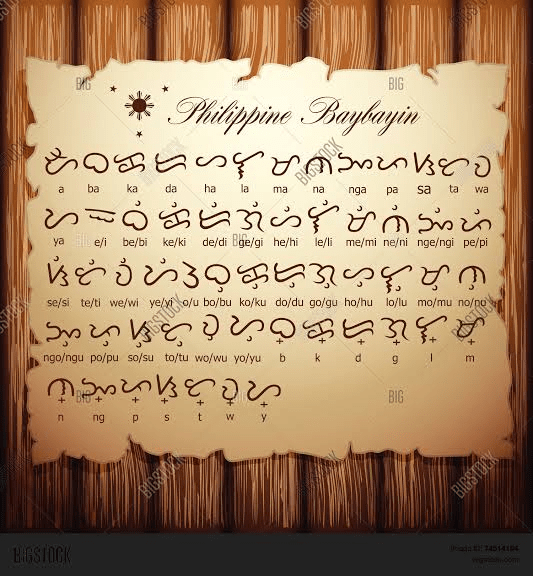
2. The Baybayin Script: Before the arrival of the Spanish colonizers, the Philippines had its own writing system called Baybayin. Composed of 17 characters representing syllables, this script was used by early Filipinos for communication and record-keeping.

3. The Oldest University in Asia: The University of Santo Tomas, established in 1611 in Manila, is recognized as the oldest university in Asia and one of the oldest Catholic universities in the world. It has played a significant role in shaping Philippine education and continues to be a prestigious institution.

4. The San Juanico Bridge: Connecting the islands of Samar and Leyte, the San Juanico Bridge is the longest bridge in the Philippines, spanning over 2.16 kilometers. What makes it fascinating is that it was built during the regime of Ferdinand Marcos, who dedicated it to his wife, Imelda Marcos.

5. A Language Without Plurals: The Filipino language, Tagalog, does not have a plural form for nouns. Instead, repetition or specific words are used to indicate plurality. For example, “mga” is added before a noun to make it plural, making Filipino grammar distinct from many other languages.
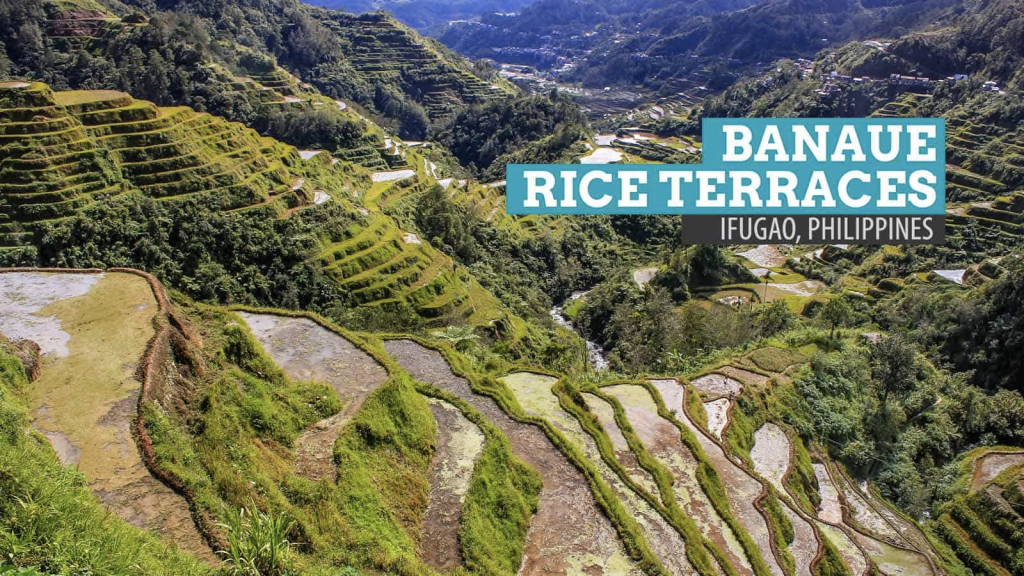
6. The Banaue Rice Terraces: Dubbed as the “Eighth Wonder of the World,” the Banaue Rice Terraces in Ifugao province are a testament to the engineering skills of ancient Filipinos. These magnificent terraces, carved into mountainsides over 2,000 years ago, still serve as a functional agricultural system.
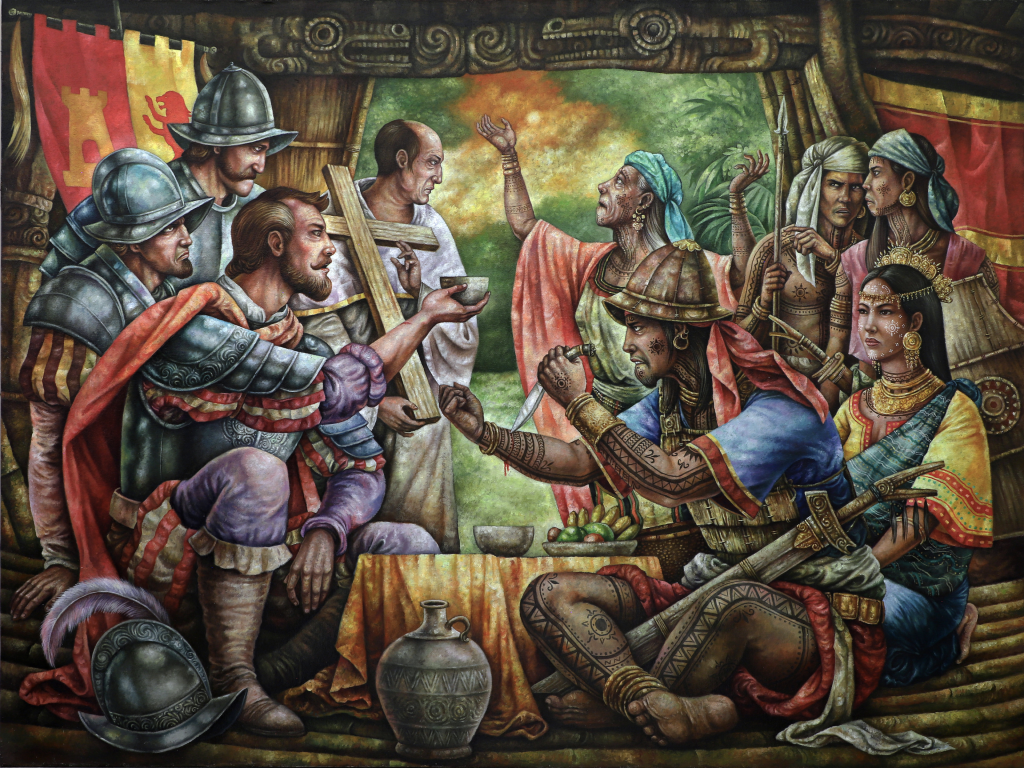
7. The Blood Compact: The “Sandugo” or blood compact was a traditional ritual among early Filipinos and Spanish colonizers. It symbolized friendship and alliance, with participants exchanging their blood by making small cuts on their arms and mixing it with wine or water.

8. The Balangay: The balangay is a pre-colonial boat used by ancient Filipinos for trade, transportation, and exploration. These wooden vessels, crafted with intricate design and engineering, played a significant role in maritime history, enabling early Filipinos to navigate vast distances.

9. The Last Stand of Filipino Revolutionaries: In 1902, during the Philippine-American War, a group of Filipino revolutionaries led by General Miguel Malvar continued to resist American forces in Batangas province, making it the last province to fall under American control. This remarkable resistance showcased the indomitable spirit of Filipino patriots.

10. The World’s Smallest Volcano: Located in the province of Batangas, the Taal Volcano holds the distinction of being the world’s smallest active volcano. What makes it truly unique is that it has its own lake within its crater, making it a picturesque and captivating natural wonder.
The history of the Philippines is a tapestry of extraordinary stories and remarkable achievements. Uncovering these 10 almost unknown historical facts about the Philippines reveals the ingenuity, artistry, and resilience
 The Daily Netizen