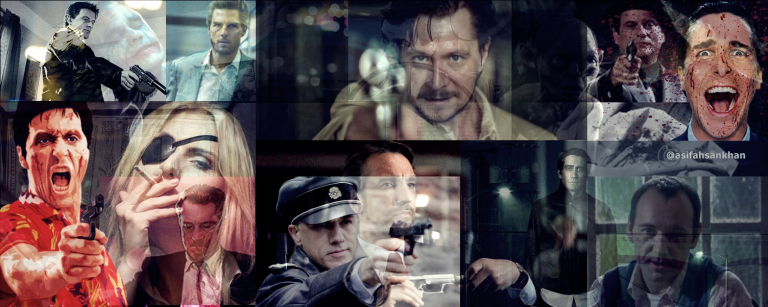
In Hollywood movies, villains play a crucial role in creating tension and conflict for the protagonists.
While many villains are known for their physical prowess or menacing presence, there are some who stand out for their insidious tactics of manipulation and gaslighting.
These villains go beyond traditional acts of evil, leaving a lasting impact on the lives of the protagonists. In this list, we will explore seven Hollywood movie villains who are both effective and surprisingly evil due to their psychological manipulation.
We will delve into the synopsis of each movie, analyze the character traits of the villains, provide a psychological analysis, and discuss the lessons viewers can learn from their portrayal.
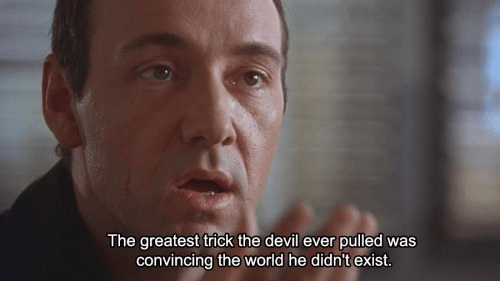
- Keyser Söze – “The Usual Suspects” (1995) Synopsis: “The Usual Suspects” follows a group of criminals who are brought together for a heist, only to find themselves entangled in a web of mystery and deception orchestrated by the enigmatic Keyser Söze. The film is a complex and twist-filled neo-noir thriller.
Character: Keyser Söze, portrayed by Kevin Spacey, is a legendary criminal mastermind. He remains largely unseen throughout the movie, operating from the shadows, while his name strikes fear in the hearts of both his allies and enemies.
Psychological Analysis: Keyser Söze exhibits a Machiavellian personality, employing manipulation and psychological warfare to control those around him. His ability to craft elaborate lies and manipulate perceptions makes him a formidable adversary. Söze’s use of gaslighting creates an aura of fear and uncertainty, leaving the protagonist and the audience questioning what is real and what is deception.
What Viewers Can Learn: Keyser Söze teaches viewers the power of perception and the art of manipulation. He highlights the importance of being cautious, skeptical, and aware of the hidden agendas of those around us.

- Hannibal Lecter – “The Silence of the Lambs” (1991) Synopsis: “The Silence of the Lambs” follows young FBI trainee Clarice Starling as she seeks the help of the incarcerated cannibalistic psychiatrist, Dr. Hannibal Lecter, to capture another dangerous serial killer known as Buffalo Bill.
Character: Dr. Hannibal Lecter, portrayed by Anthony Hopkins, is a brilliant psychiatrist and cannibalistic serial killer. Despite his heinous acts, Lecter possesses a charismatic and manipulative personality, capable of delving into the depths of a person’s psyche.
Psychological Analysis: Hannibal Lecter embodies the archetype of the charming psychopath. His keen intellect, combined with his manipulative and persuasive abilities, allows him to exploit others for his own gain. He preys on the vulnerabilities and insecurities of his victims, using psychological manipulation to control and influence their actions.
What Viewers Can Learn: Hannibal Lecter serves as a reminder that evil can often wear a mask of charm and intelligence. He teaches viewers the importance of vigilance and understanding the true nature of those we encounter, as not everything is as it seems.
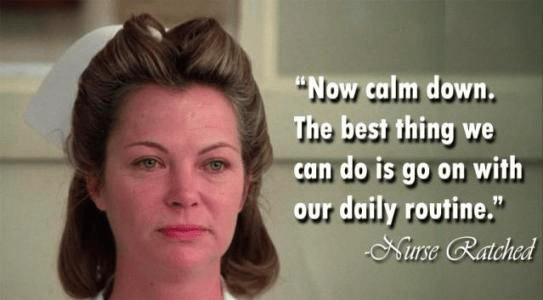
- Nurse Ratched – “One Flew Over the Cuckoo’s Nest” (1975) Synopsis: “One Flew Over the Cuckoo’s Nest” takes place in a mental institution, where a charismatic and rebellious patient named Randle McMurphy clashes with the oppressive and controlling Nurse Ratched.
Character: Nurse Mildred Ratched, portrayed by Louise Fletcher, is a strict and authoritative figure who maintains control over the patients in the mental institution. She manipulates and uses her power to suppress and dominate those under her care.
Psychological Analysis: Nurse Ratched represents the embodiment of a power-hungry authoritarian. She employs gaslighting and manipulation to maintain her authority and silence any opposition. Her actions create a sense of hopelessness and despair among the patients, leading to tragic consequences.
What Viewers Can Learn: Nurse Ratched serves as a cautionary figure, highlighting the dangers of unchecked power and the importance of challenging oppressive systems. She reminds viewers of the significance of individuality, resilience, and standing up against injustice.

- Amy Dunne – “Gone Girl” (2014) Synopsis: “Gone Girl” follows the disappearance of Amy Dunne, which sets off a media frenzy and investigation. As the story unfolds, the dark truth behind Amy’s marriage and her manipulative actions are revealed.
Character: Amy Dunne, portrayed by Rosamund Pike, is a complex and calculating character. She is a master manipulator who meticulously plans and executes a series of events to manipulate public perception and punish her husband.
Psychological Analysis: Amy Dunne embodies the archetype of the sociopath. She meticulously constructs a false narrative and uses gaslighting techniques to manipulate the perception of those around her. Amy’s actions not only harm her husband but also exploit societal expectations and gender roles.
What Viewers Can Learn: Amy Dunne serves as a stark reminder of the destructive power of manipulation and the importance of critical thinking. She highlights the dangers of idealizing relationships and the need for open communication and trust.
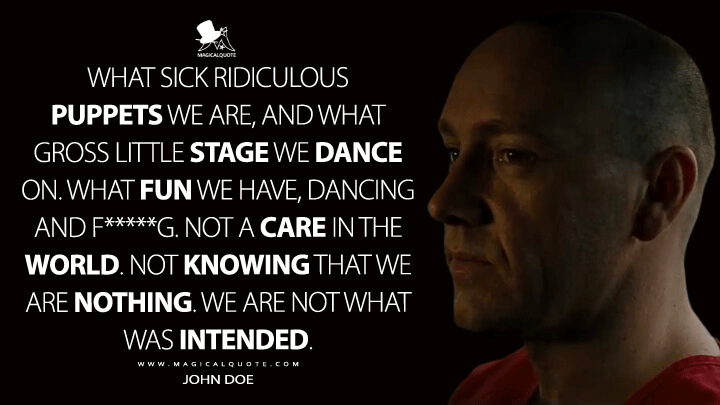
- John Doe – “Se7en” (1995) Synopsis: “Se7en” follows two detectives as they track down a serial killer who uses the seven deadly sins as themes for his murders. The killer, John Doe, aims to expose the corruption and moral decay of society.
Character: John Doe, portrayed by Kevin Spacey, is a meticulous and sadistic serial killer. He believes he is on a divine mission to cleanse society by punishing those he perceives as sinners.
Psychological Analysis: John Doe represents a character driven by his extreme ideological beliefs. He uses his intellect and manipulation skills to exploit the detectives and push them to their limits. Doe’s ability to anticipate the actions of his pursuers adds to his aura of control.
What Viewers Can Learn: John Doe’s character highlights the dangers of extremism and self-righteousness. He serves as a reminder of the importance of empathy and understanding, as well as the need to address societal issues before they lead to catastrophic consequences.

- Alex Forrest – “Fatal Attraction” (1987) Synopsis: “Fatal Attraction” tells the story of a married man who has a weekend affair with a woman named Alex Forrest. When he tries to end the relationship, Alex becomes increasingly obsessed and begins stalking him and his family.
Character: Alex Forrest, portrayed by Glenn Close, is a psychologically disturbed woman who becomes consumed by her obsession. She resorts to manipulation, stalking, and ultimately violence to keep the object of her desire.
Psychological Analysis: Alex Forrest represents the archetype of a person with borderline personality disorder. Her intense emotions, impulsivity, and fear of abandonment drive her to extreme measures. She uses gaslighting tactics to maintain control and manipulate the protagonist’s perception of reality.
What Viewers Can Learn: Alex Forrest serves as a cautionary example of the consequences of unchecked emotions and unhealthy attachments. She highlights the importance of maintaining healthy boundaries, effective communication, and addressing mental health issues.
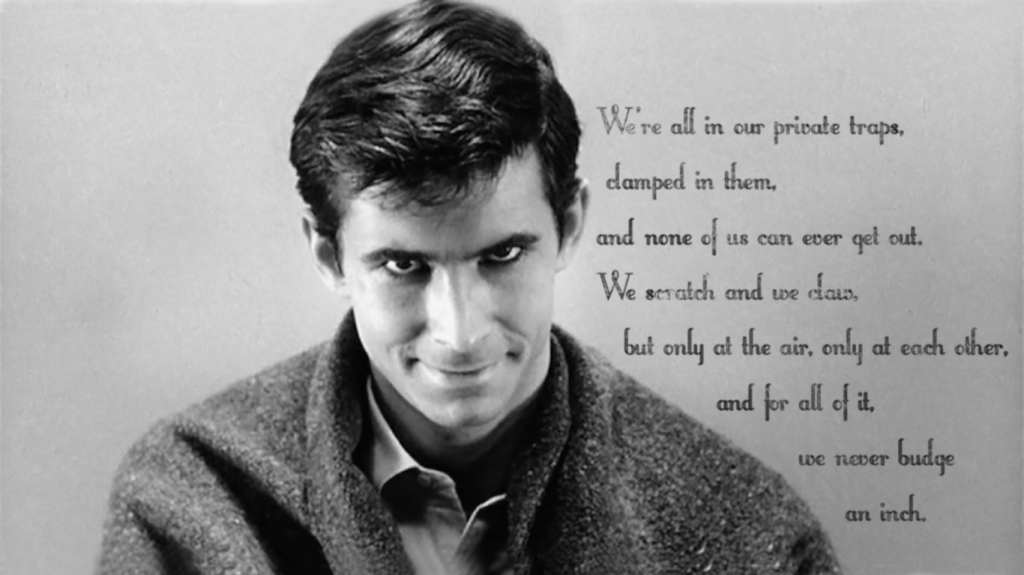
- Norman Bates – “Psycho” (1960) Synopsis: “Psycho” revolves around Marion Crane, who encounters Norman Bates, the owner of the Bates Motel, during a fateful stopover. The movie takes a chilling turn as the truth about Norman’s psychological state and his relationship with his mother is revealed.
Character: Norman Bates, portrayed by Anthony Perkins, is a disturbed and complex character. He is controlled by his alter ego and manipulative mother, who ultimately drives him to commit acts of violence.
Psychological Analysis: Norman Bates represents a character with dissociative identity disorder, where his alternate persona takes control. He uses manipulation and gaslighting techniques to conceal his true nature and protect the secrets of his twisted relationship with his mother.
What Viewers Can Learn: Norman Bates serves as a reminder of the depth of the human psyche and the potential consequences of unresolved trauma. He emphasizes the significance of seeking help, addressing mental health issues, and breaking free from destructive cycles.
These Hollywood movie villains transcend the traditional archetype of evil by employing psychological manipulation and gaslighting as their primary weapons. Through their actions, they inflict emotional and psychological trauma upon the protagonists, leaving a lasting impact on their lives. Keyser Söze, Hannibal Lecter, Nurse Ratched, Amy Dunne, John Doe, Alex Forrest, and Norman Bates demonstrate the destructive power of manipulation and the importance of being vigilant, understanding the true nature of others, and maintaining healthy boundaries. By examining these villains, viewers can gain insight into the complexities of the human mind and the importance of psychological well-being in their own lives.
 The Daily Netizen