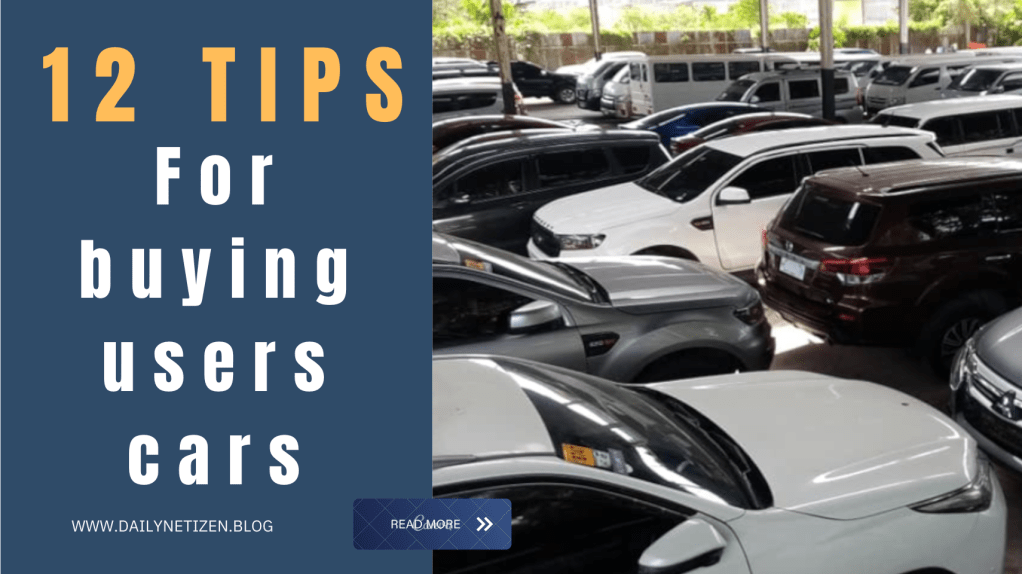
Are you in the market for a new set of wheels but don’t want to break the bank?
Buying a used car can be a smart and economical choice for many Filipinos. While there are some risks involved, with a little knowledge and preparation, you can find a great pre-owned vehicle that meets your needs and budget.
Whether you’re a first-time buyer or a seasoned car enthusiast, these 12 tips will help you make a well-informed decision and get the most out of your used car purchase.
- Embrace the depreciated price advantage:
If you’ve had your eye on a specific model that was out of your budget a few years ago, now is the time to consider buying a used car. As vehicles age, their value decreases, allowing you to find a particular model year at a more affordable price. - Cash in on upfront savings:
Buying a used car means you can avoid long-term payments associated with brand-new vehicles. If you have the cash to make a one-time purchase, you can save money on interest and enjoy the freedom of owning your car outright. - Recognize the value in used cars:
Used cars can offer excellent value, especially for small business owners looking to save money. With a used vehicle, you can often get more features and higher quality for the same price as a new car in a lower category. Consider how a used car can benefit your specific needs. - Understand the reliability factors:
Unlike a brand-new car, the reliability of a used car depends on several factors such as the manufacturer’s engineering standards, mileage, and the previous owner’s driving and maintenance habits. Keep these factors in mind when evaluating a used car’s condition and potential maintenance costs. - Evaluate potential maintenance expenses:
As a used car accumulates more mileage, the chances of parts wearing out increase. While some replacements, like brake pads and fuel filters, may be relatively inexpensive, others such as transmission overhauls or A/C compressor replacements can be costly. Request the car’s periodic maintenance schedule to understand the potential expenses you may encounter. - Avoid being penny-wise and pound-foolish:
When it comes to used cars, being thrifty is admirable, but delaying necessary repairs or part replacements can cost you more in the long run. Take proper care of your vehicle and address maintenance issues promptly to prevent small problems from escalating into more significant and expensive ones. - Set aside a “fix-it” budget:
To be financially prepared for unexpected repairs, create two budgets when purchasing a used car. The first budget covers the initial purchase, while the second, known as the “fix-it” budget, should be at least 20% of the car’s purchase price. Having this buffer will alleviate stress when repairs are needed, giving you peace of mind and ensuring your car remains roadworthy. - Do your research:
Before making a purchase, gather as much information as possible. Seek advice from friends who have owned the model you’re interested in and research the car’s reputation online. Visit used-car dealerships to get a sense of market prices and availability. Additionally, familiarize yourself with the cost of parts and locate shops that stock your prospective car’s components. - Thoroughly inspect the vehicle:
When examining a used car, do it during daylight hours to assess the paint quality. Inconsistent paint colors or signs of body repairs may indicate past damage. Inspect the engine bay for signs of filler, suggesting a front-end collision. Check the interior thoroughly, including seatbelts, seats, gauges, lights, and air conditioning functionality. Don’t forget to test the windshield wipers and washer system. - Pay attention to the tires:
Mismatched tires can be a red flag, indicating that the previous owner neglected basic maintenance. If tires are not replaced in pairs, it raises questions about how well the rest of the vehicle has been cared for. Ensure that the tires are in good condition and properly aligned. - Request service records:
Ask the seller for the car’s service records, including maintenance logs or receipts. This information will give you insights into the vehicle’s history and the level of care it has received over time. Consistency in the maintenance records is a positive sign. - Take it for a test drive:
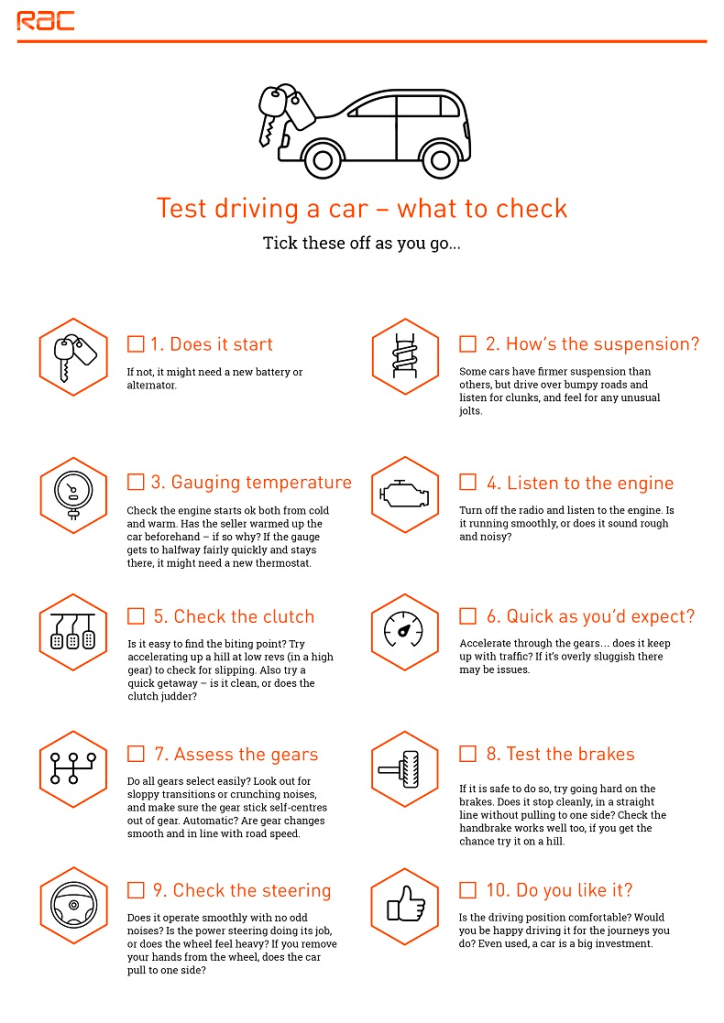
Before finalizing your decision, take the car for a test drive. Drive in various conditions, perform full lock turns to check for steering issues, accelerate to evaluate the engine and transmission, and perform a simulated panic stop to test the brakes. If you’re unsure about any noises or concerns, consider hiring a mechanic to accompany you and provide expert advice. Keep a list of potential issues and use them as negotiation points during price discussions.
Remember, buying a used car requires some detective work and a willingness to take on a “project.” However, with the right approach and thorough evaluation, you can find a reliable and enjoyable vehicle that fits your budget. So, buckle up, put on your negotiation hat, and get ready to hit the road in your pre-loved car adventure!
Meanwhile, here are 12 critical things to check when buying second-hand cars:
- Mileage: Consider the mileage on the car as it can indicate the wear and tear on various parts. Higher mileage may require more frequent replacements.
- Maintenance records: Request the car’s service records to understand how well it has been maintained. Consistent and timely maintenance is a positive sign.
- Vehicle inspection: Thoroughly inspect the car’s exterior, interior, engine bay, and tires for any signs of damage, mismatched paint, or potential issues.
- Test drive: Take the car for a test drive to assess its performance, including steering, acceleration, braking, and overall driving experience.
- Reputation and research: Research the car’s reputation online and seek advice from friends or experts who have experience with the model you’re interested in.
- Budget for repairs: Set aside a budget for potential repairs and replacements, as used cars may require more maintenance compared to new ones.
- Check tires: Examine the tires for wear, alignment, and consistency. Mismatched tires could indicate poor maintenance.
- Seller’s credibility: Evaluate the seller’s credibility, honesty, and transparency. Ask direct questions about the car’s history and look for consistent answers.
- Cooling system: Pay attention to the cooling system and ensure that all necessary parts, such as the radiator, are in good condition. Neglecting cooling system maintenance can lead to costly issues.
- Vehicle history: Use tools like Carfax or AutoCheck to check the vehicle’s history for any accidents, flood damage, or other red flags.
- Documentation: Ensure you have all the necessary documentation, including the car’s registration, official receipts, and proof of ownership.
- Price negotiation: Use the information gathered through research and inspections as leverage during price negotiations. Don’t be afraid to negotiate for a fair deal.
Remember, if you’re not knowledgeable about cars, it’s advisable to bring along a trusted mechanic or someone with expertise to help you assess the car’s condition and guide you through the buying process.
 The Daily Netizen