
In the world of international diplomacy and tourism, mistakes can sometimes occur, leading to unintended consequences and even embarrassment.
Recently, the Philippine Department of Tourism (DOT) found itself in hot water when it was revealed that stock footage from various countries, including Indonesia, was used in their promotional video for the “Love the Philippines” tourism campaign. The blunder caught the attention of none other than the Indonesian Tourism Minister, Sandiaga Uno, who responded with a surprising and lenient approach.
During a weekly media briefing in Jakarta, Minister Sandiaga Uno addressed the issue with a level-headed perspective. Recognizing that mistakes can happen, he said, “That’s purely an unintentional mistake because to err is human. We don’t need to react too emotionally.” His response was a breath of fresh air in a situation that could have escalated into a diplomatic rift between the two countries.
Minister Uno further acknowledged the challenges faced by the Philippines in rebuilding its tourism industry after the devastating impact of the Covid-19 pandemic. He emphasized the importance of promoting ASEAN as a unified destination, transcending national boundaries. “In developing and promoting tourism, we must not restrict ourselves to [national] boundaries but promote ASEAN as a single destination,” he stated, showing a broader vision for regional tourism cooperation.
While extending understanding to his Philippine counterpart, Secretary Christina Frasco, Minister Uno also highlighted the unique advantages that the Philippines possesses. He encouraged the country to leverage its distinctive attractions and experiences that set it apart from Indonesia. “But the Philippines also has its own unique advantages not found in Indonesia,” he added, subtly highlighting the diverse offerings of both nations.
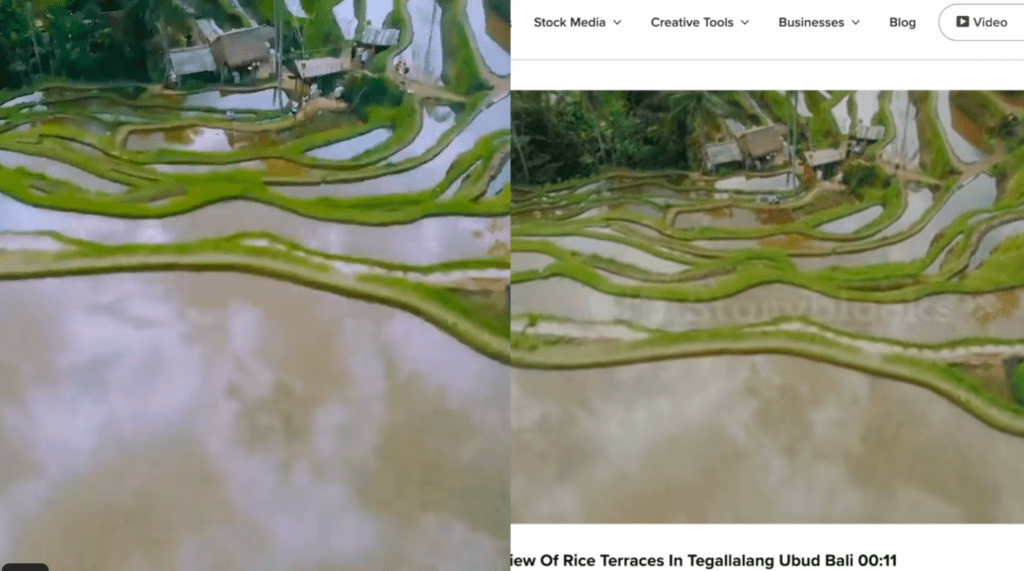
Interestingly, Minister Uno shared his personal experience of watching the controversial video titled “Love the Philippines” during a recent event in Cambodia. He expressed his intrigue when he saw the paddy field scenery, thinking to himself, “It looks like an Indonesian scenery.” This confusion could be attributed to the shared tropical and archipelagic nature of both Indonesia and the Philippines, creating similarities in certain landscapes.
The “Love the Philippines” video, launched on June 27, has since been removed from social media platforms after the advertising agency responsible for its creation admitted to using stock footage from various countries. The specific location of the rice terraces featured in the video was identified as Ubud in Bali, Indonesia, adding to the controversy surrounding the campaign.
Minister Sandiaga Uno’s diplomatic response not only exemplifies his statesmanship but also serves as a reminder of the importance of maintaining strong relationships between neighboring countries. Rather than allowing the fiasco to strain bilateral ties, he chose a path of understanding and collaboration, envisioning ASEAN as a united force in the tourism sector.
 The Daily Netizen