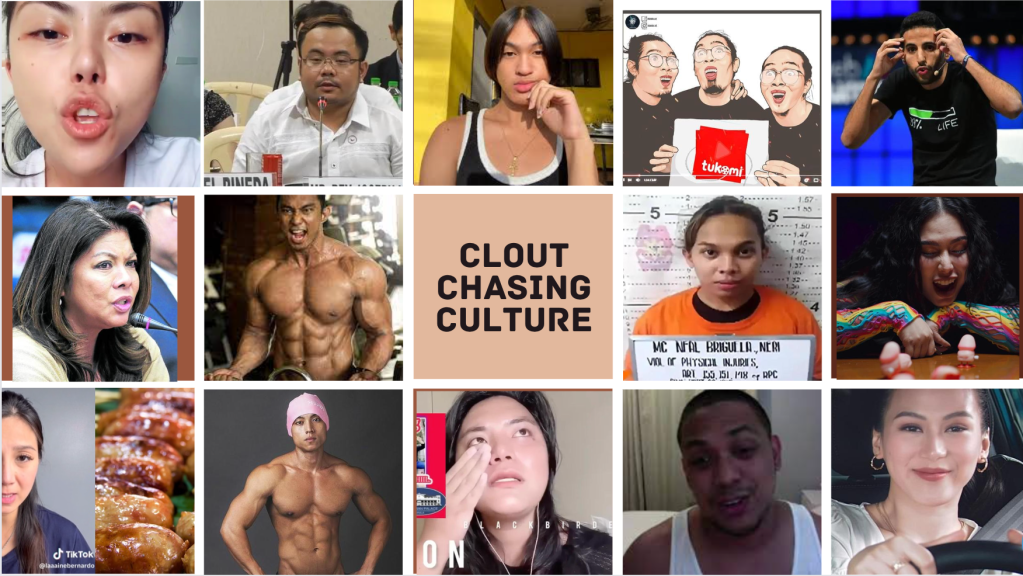
The rise of social media has led to a dangerous phenomenon known as “clout chasing,” where the pursuit of fame and attention has taken a perilous route.
Defined as the act of seeking attention, popularity, or social influence, clout chasing often involves individuals performing outrageous or risky actions in the hope of gaining viral recognition.
This article digs into the psychology behind clout chasing, the dangers it poses to individuals and society, and why it has become prevalent in digital culture, particularly among Gen Z and teenagers.
We will also explore the influence of monetization on this culture, using real-world examples to illustrate the consequences of these reckless pursuits.
- Defining Clout Chasing
Clout chasing refers to the desperate quest for social status, recognition, and validation through online platforms. This behavior typically involves users posting extreme, controversial, or sensational content to gain followers, likes, shares, and comments. Several studies have explored the concept of clout chasing in the context of social media, highlighting the impact it has on users’ mental health and behavior. - The Psychology of Clout Chasing
Clout chasing is often motivated by a combination of fame and financial incentives. Fame seekers are driven by the desire to be admired, idolized, and recognized by others. On the other hand, some individuals may pursue clout for monetary gains, as influencers and content creators can monetize their online presence through brand partnerships, sponsorships, and ad revenue.
Clout chasing is closely associated with narcissism, a personality trait characterized by excessive self-love, a sense of entitlement, and a constant need for admiration. The quest for clout aligns with narcissists’ desire to be the center of attention and receive validation from an audience, however fleeting it may be.
The Dangers of Clout Chasing:

a. Physical and Emotional Harm
Clout chasing often leads individuals to perform dangerous stunts or engage in reckless behavior to capture attention. This can result in serious injuries, even fatalities. Real-world examples include the infamous TikTok “skull breaker challenge” that caused severe injuries to participants attempting dangerous jumps, and the “Bird Box challenge” inspired by the Netflix movie, where individuals blindfolded themselves while performing everyday tasks.
Example: The Fire Challenge. The “Fire Challenge” involved participants dousing themselves in flammable substances and setting themselves on fire while filming the act. The trend spread on social media platforms, leading to serious burns and injuries among participants. The challenge posed significant risks to those attempting it and was widely condemned by authorities and health experts.
b. Negative Impact on Mental Health
The constant pursuit of validation through clout can take a toll on one’s mental health. Individuals may become obsessed with their online persona and struggle with feelings of inadequacy, anxiety, and depression when their efforts for attention fall short.
c. Erosion of Authenticity
Clout chasing encourages individuals to prioritize popularity over authenticity. Users may fabricate stories, fake personas, or exaggerate their experiences to gain traction online. This erosion of truthfulness erodes trust within online communities and leads to a culture of deceit.
d. Cyberbullying and Online Harassment
As individuals vie for attention, they might resort to disparaging or harassing others to attract more followers or redirect the spotlight. Such behavior can have devastating consequences for the victims, often resulting in emotional distress and long-term psychological trauma.
Example: The Skull Breaker Challenge. This dangerous challenge gained traction on TikTok and involved two participants tricking a third person into jumping, and then kicking their legs out from under them mid-jump, causing them to fall hard on their back and head. The challenge resulted in serious injuries and widespread criticism for its harmful nature.
e. Legal Consequences
Some clout chasers may cross ethical and legal boundaries to gain recognition, leading to potential legal actions and public backlash. For instance, the invasion of privacy or defamation of public figures can result in lawsuits and damaged reputations.
Example: In the Tukomi kidnap prank, the vloggers were unaware that their “victim” was actually a police officer who then filed a case against them for violating Republic Act 10175, also known as the Cybercrime Prevention Act.
f. Misinformation and Disinformation
The thirst for clout can lead to the spreading of false information or sensationalizing events to attract more attention. This perpetuates the spread of misinformation, affecting public perception and trust in media and online content.
g. Detrimental Effects on Society
Clout chasing culture promotes an environment where popularity and attention-seeking become paramount values, overshadowing kindness, empathy, and genuine connection. This societal shift may lead to a generation more concerned with online fame than with meaningful real-world contributions.
Example: YouTuber and vlogger Mika Salamanca was arrested by authorities in Honolulu, Hawaii, on Friday for violating the mandated 14-day quarantine for travelers. The violation was based on videos of Mika “dancing in a store and dining out with companions” that she had posted online.
h. Reinforcement of Risky Behaviors:
As clout-chasing behavior garners attention and followers, it inadvertently encourages others to mimic these actions, perpetuating a cycle of risky behaviors and potential harm.
Example: Tide Pod Challenge. In 2018, the “Tide Pod Challenge” went viral on social media platforms like YouTube and TikTok. Participants filmed themselves consuming laundry detergent pods, which can be toxic and potentially fatal if ingested. The challenge gained widespread attention due to the dangerous nature of the act, leading to numerous poisonings and hospitalizations.
i. Damage to Personal Relationships:
Clout chasing can strain personal relationships as individuals prioritize their online presence over genuine connections with family and friends. This obsession with fame may lead to a disconnect from reality and a loss of authentic human connections.
Example: Extreme Photoshoot. Some Instagram influencers and thrill-seekers have taken photoshoots to dangerous heights, quite literally. They have been seen dangling from cliffs, buildings, or other precarious spots, all for the sake of capturing an attention-grabbing shot. These stunts not only endanger the lives of those involved but also encourage others to attempt similar reckless acts.
j. Erosion of Digital Integrity:
In their pursuit of fame, some clout chasers resort to manipulating algorithms, purchasing followers, and employing deceptive tactics to boost their online presence. This undermines the integrity of social media platforms and compromises their value as legitimate channels for communication and self-expression.
Clout Chasing in Digital Culture
Clout chasing has become ingrained in digital culture, particularly among Gen Z and teenagers, due to the instant gratification and validation that social media platforms offer. The constant feedback loop of likes, shares, and comments serves as positive reinforcement for those seeking attention, fueling the pursuit of clout.
Monetization plays a significant role in incentivizing clout chasing. Social media influencers can generate substantial income through their online presence, encouraging more people to pursue fame and financial gains. This creates a competitive environment where individuals are willing to go to extreme lengths for a chance at viral fame and the potential to monetize their online following.
The dangers of clout chasing culture are evident in the physical and emotional harm it inflicts, the erosion of authenticity, and its detrimental effects on mental health and societal values. The pursuit of online fame and validation should not come at the expense of one’s well-being, personal relationships, or ethical principles. Social media platforms and society as a whole must recognize the potential harm of clout chasing and work together to promote a more balanced and responsible digital culture where authenticity and genuine connections take precedence over fleeting online fame.
 The Daily Netizen