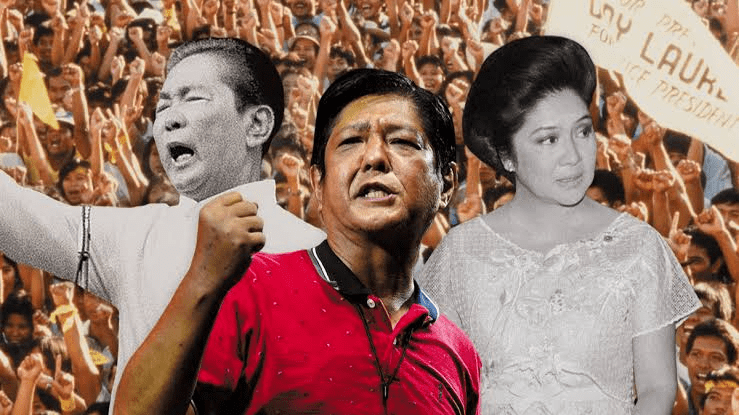
MANILA, Philippines — President Ferdinand Marcos Jr. has declared September 11th, the birth anniversary of his late father, Ferdinand Marcos Sr., a holiday in Ilocos Norte this year.
The proclamation, numbered 327 and signed by Executive Secretary Lucas Bersamin, aims to grant the people of the province a chance to actively partake in the celebration.
The presidential decree states, “[i]t is but fitting and proper that the people of the Province of Ilocos Norte be given full opportunity to participate in the occasion and enjoy the celebration.” Consequently, the order designates Monday, September 11, 2023, as a special non-working day in Ilocos Norte.
This recent declaration follows closely on the heels of another holiday proclamation by President Marcos Jr. Barely 100 days into his presidency in 2022, he declared September 12th as a special non-working holiday in Ilocos Norte, also to commemorate the birthday of his father and namesake, Ferdinand Marcos Sr.
This move was sanctioned by Proclamation No. 53, signed by then-Executive Secretary Victor Rodriguez, acting on behalf of the President.
Behind this seemingly innocuous act of commemorating a father’s birthday lies a history steeped in controversy. Ferdinand Marcos Sr., who held power in the Philippines for over two decades, remains a polarizing figure. His regime was marked by allegations of human rights abuses, the accumulation of ill-gotten wealth, driving the country into excessive debt, and claims of being a puppet of the U.S. Central Intelligence Agency (CIA).
During his authoritarian rule from 1965 to 1986, Ferdinand Marcos Sr. faced widespread criticism for silencing political opposition and curbing civil liberties. The regime is infamous for human rights abuses, including the arrest, torture, and disappearance of dissidents.
Marcos Sr. and his wife, Imelda, were accused of amassing a fortune through corrupt practices and embezzlement. The ill-gotten wealth amassed by the Marcos family remains a contentious issue in the Philippines, with efforts to recover these allegedly stolen assets ongoing.
Additionally, the Marcos regime’s excessive borrowing and mismanagement of the Philippine economy left the country burdened with crippling debt, the repercussions of which are still felt today.
The late dictator’s alleged close ties to the CIA continue to fuel speculation and suspicions, making his presidency a subject of historical debate and controversy.
 The Daily Netizen