In the realm of politics, timing is everything, but as they say, “Better late than never.”
Philippine President Bongbong Marcos demonstrated this sentiment in his recent statement, issued nearly two months after the tragic Maui wildfire and its devastating toll. While some critics questioned the delay, his staunch supporters heralded it as a genuine gesture of empathy.
On Thursday, Marcos took to X, the platform formerly known as Twitter, to convey his condolences and pledge support: “Our hearts are with the victims of the Maui wildfire and their families. With losses among the Filipino and Filipino-American communities, we deeply feel the weight of this tragedy.”
In a spirit of unity and compassion, he revealed, “I have instructed the DFA and DMW to collaborate with the state of Hawaii to assist grieving families and help Filipino communities rebuild. We stand in solidarity with those affected, offering our condolences and continued support.”
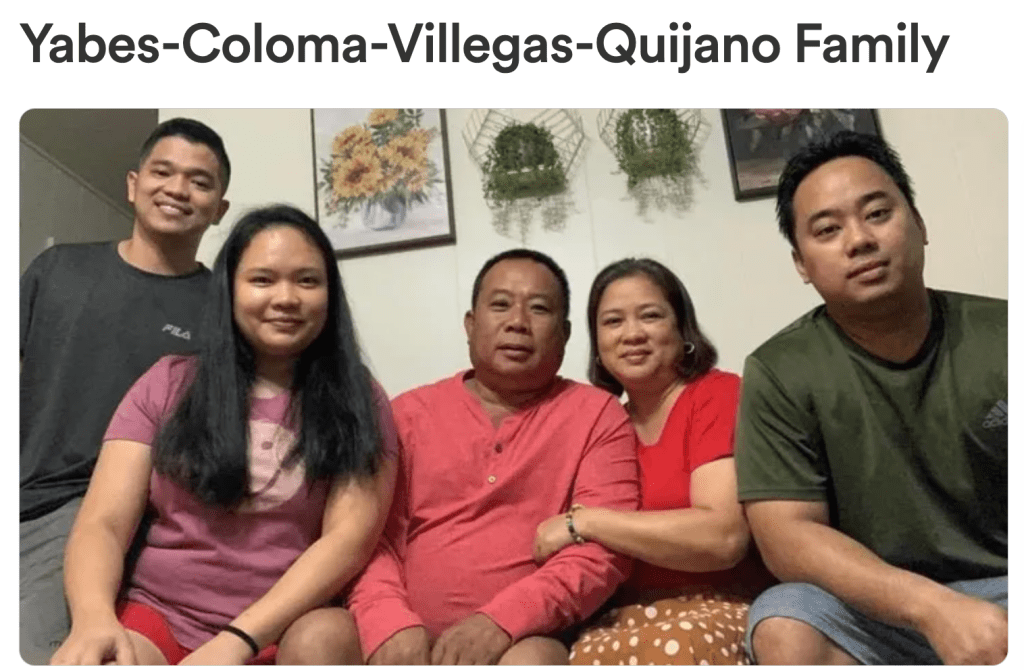
While some may question the timing, recent reports have shed light on the profound impact of the Maui wildfires. Eight members of a single Filipino family perished in the devastating blaze, and one remains missing since that fateful day on August 8, the Inquirer reported.
The Maui Police Department, in an official statement on Tuesday, identified the victims as Felimon Quijano, 61; Luz Bernabe, 64; Joel Villegas, 55; Adela Villegas, 53; Angelica Baclig, 31; and Junmark Quijano, 30. Two other family members, Salvador Coloma, 77, and Glenda Yabes, 48, had been previously identified. The ninth family member, Lydia Coloma, still awaits discovery, her name etched on the FBI’s official list of the missing.
The tragedy holds a significant connection to the Filipino community, as some 5,100 Filipinos called Lahaina their home, constituting 40% of the town’s population. So far, eight Filipino citizens have been confirmed as fire victims, and an additional 17 individuals had ties to the Philippines. Among the latter group, some were recent naturalized U.S. citizens.
Emil Fernandez, Hawaii’s consul general for the Philippines, shared these details, though he didn’t provide names for the 17 individuals.
A GoFundMe page, organized by Oliva Coloma, shed light on the familial bonds of the victims, describing them as parents, aunts, uncles, and cousins. As of September 20, the process of sending DNA samples from the Philippines to aid in identification was still underway, highlighting the complexities faced by authorities.
Dr. Jeremy Stuelpnagel, a pathologist with Maui County, discussed these complexities during a press conference on September 15. He revealed that many remains were highly fragmented, with some commingled with others, which led to a revision in the official death toll from 115 to 97.
The story of the Marcos family has its own poignant connection to Hawaii. Following Ferdinand Marcos Sr.’s ousting in 1986 through the EDSA People Power Revolution, the Marcos family sought refuge in Hawaii.
Their presence in the state has played a significant role in shaping its cultural landscape, especially in the Ilocano community, which constitutes more than 85% of the Filipino population in Hawaii.
 The Daily Netizen