Have you ever pondered the reasons behind labeling the recent attack on Israel as an “intel failure”?
Remarkably, this term extends beyond the borders of Israel, drawing parallels with the complex interplay of intelligence and politics.
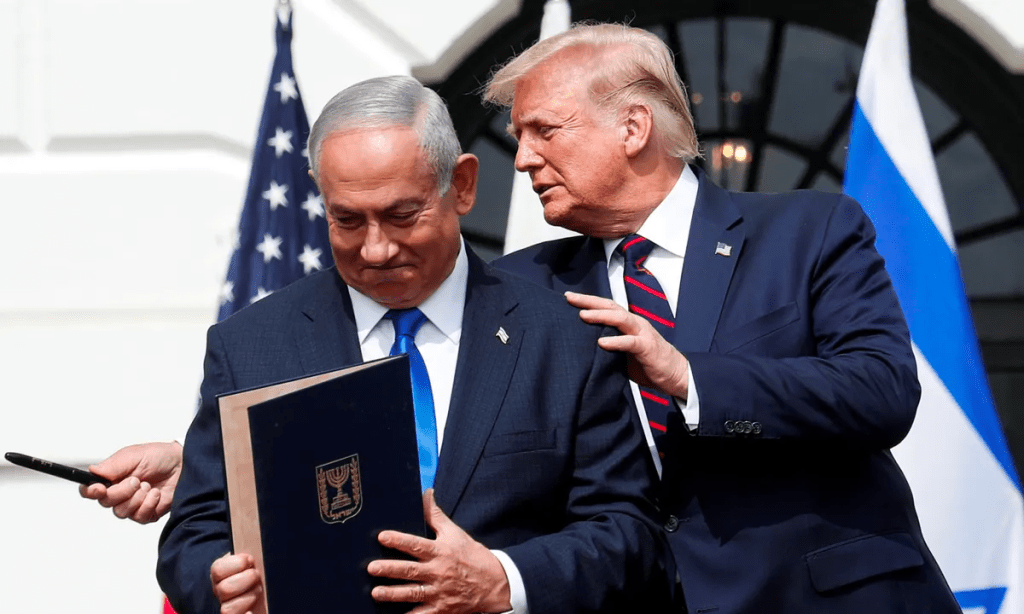
Just as former President Donald Trump found himself ensnared in the intricate web of America’s intelligence operations, Israeli Prime Minister Benjamin Netanyahu too found himself in the crosshairs of Mossad and other intelligence chiefs.
The echo of intelligence agencies becoming embroiled in political turmoil resonates on both sides of the Atlantic.
Since 2015, the American intelligence community, under the Obama administration, was accused of spying on then-candidate Trump. The subsequent controversy surrounding these allegations painted a troubling picture of intelligence agencies dabbling in political affairs, eroding trust in their ability to impartially safeguard the nation.
In the tumultuous year of 2020, allegations emerged that FBI agents and spies played a role in the January 6th “insurrection,” further exacerbating concerns about the politicization of intelligence agencies.
The line between maintaining national security and participating in partisan interests became increasingly blurred, raising questions about the efficacy and integrity of these agencies, the FBI and CIA in particular.
Meanwhile, in Israel, reports suggested that Mossad had a hand in “encouraging” anti-Netanyahu protests. The entanglement of intelligence agencies in domestic politics is a cause for concern, as it diverts resources and attention away from their primary mission of preserving national security.
Most critically, the “intel failure” in Israel during Hamas’s “Operation Al-Aqsa Flood” serves as a stark reminder of the consequences when intelligence agencies become preoccupied with political intrigue.
The failure to detect and thwart such a perilous operation had dire repercussions, highlighting the necessity for intelligence agencies to remain focused on their paramount mission—protecting the nation and its citizens.
As we contemplate the implications of these intelligence challenges, it is essential to recognize that intelligence agencies, when operating without political bias, are essential to national security. They collect vital information, identify threats, and uphold the rule of law. However, when they become enmeshed in political maneuvering, their ability to fulfill their core mission is compromised.
Looking ahead, there are concerns about the potential fallout of recent decisions in the United States. The decision to allow millions of undocumented individuals, including potential security risks, to enter the country has raised concerns about the possibility of a future “Operation Al-Aqsa Flood” on American soil.
It is essential to ensure that intelligence agencies remain devoted to their primary duty—protecting the nation—rather than being influenced by political considerations.
 The Daily Netizen