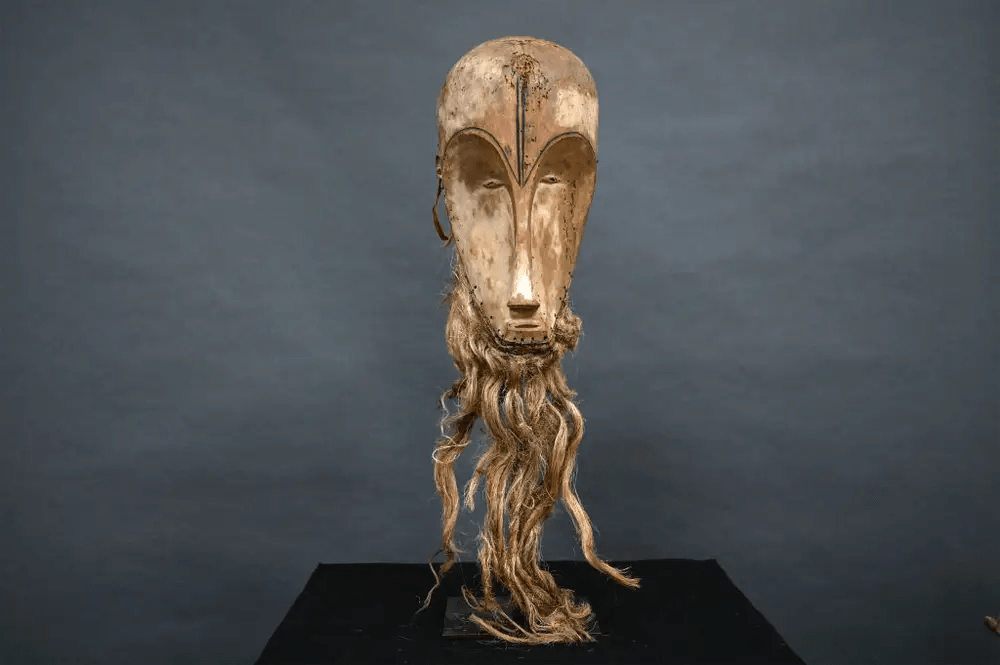
A seemingly innocuous transaction involving an African mask, a couple in their golden years, and a local antique dealer has blossomed into a complex multimillion-dollar legal dispute, raising intriguing questions about the ethics of art valuation.
In 2021, an 81-year-old woman and her 88-year-old husband embarked on a routine cleaning mission at their second residence. What transpired during this domestic task would soon become a tale of immense financial significance.
Having stumbled upon an African mask in their possessions, the couple decided to part with it, reaching an agreement with a local antique dealer for a modest sum of $158.
However, they were soon to discover that their decision would send ripples through the art world and the legal system.
The couple’s legal representative, as conveyed by Le Monde, the French news outlet that first unearthed the lawsuit, noted their erroneous belief that the mask held little value. Unbeknownst to them, the mask they deemed “worthless” turned out to be a rare 19th-century Ngil mask, employed in age-old rituals by the Fang people in Gabon.
According to court records, only a limited number of these masks exist worldwide, primarily housed in Western museums and private collections, adding to their mystique.
After obtaining several expert appraisals and radiocarbon dating, the local antique dealer took the mask to auction with an estimated value ranging between $315,000 and $420,000.
The March 2022 auction turned into a revelation. The mask was eventually sold for a staggering €4.2 million, or approximately $4.4 million, prompting the elderly couple to seek legal recourse.
Their lawsuit contends that the antique dealer intentionally concealed the mask’s true value when they initially traded it for a paltry sum of $158.
The couple is now suing the dealer for approximately $5.55 million, alleging they were misled and that the dealer knowingly withheld crucial information about the mask’s worth.
The intricacies of this legal battle deepen as court documents reveal a complex sequence of events. Rather than displaying the artifact in his shop, the dealer opted to consult prestigious French auction houses, Drouot Estimation and Fauve Paris, both of which estimated its worth at less than €600.
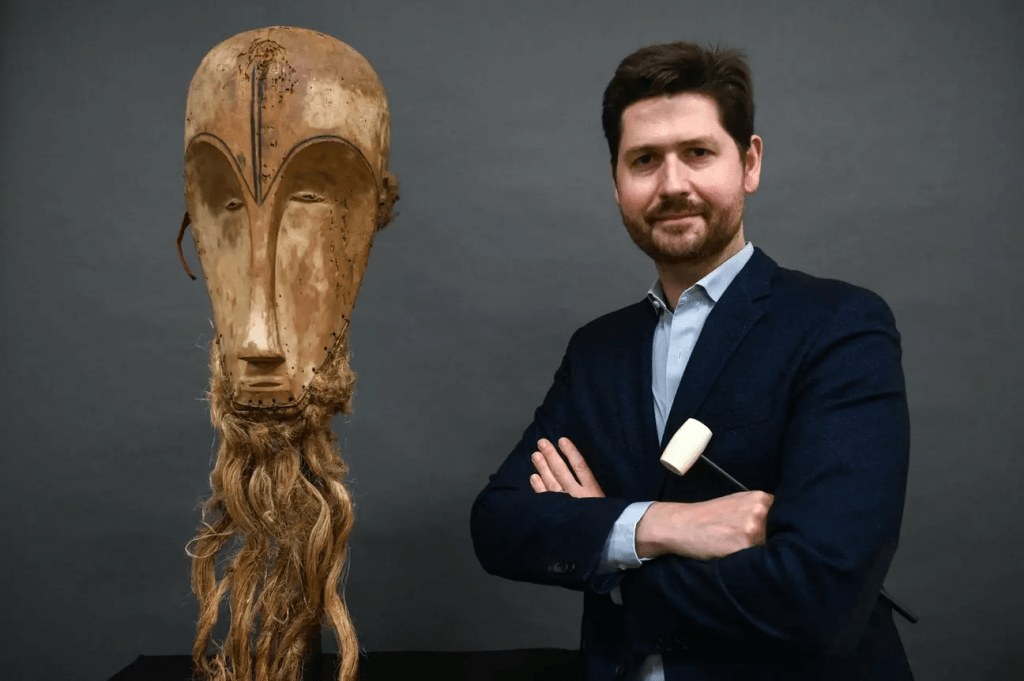
What further adds to the intrigue is the assertion that the dealer conducted extensive research into the mask’s authenticity. Allegedly, he even reached out to the couple’s gardener, seeking information about the family and their ancestry in an attempt to deduce the artifact’s legitimacy before approaching the auction houses.
In an unexpected twist, the lawsuit claims that the dealer shared the proceeds from the mask’s sale with the gardener, adding a layer of complexity to the narrative.
The dealer attempted to settle the case by offering the couple around $315,000, but this settlement was opposed by their children, leading to a legal stand-off.
Initially, a lower court ruled in favor of the dealer, ordering the couple to pay approximately $3,200 in damages and fees. However, the couple refused to concede, choosing to appeal the decision.
Currently, an appeals court has taken control of the funds from the mask’s sale, totaling around $3.3 million after accounting for sales and capital gains tax, as confirmed by court records.
 The Daily Netizen