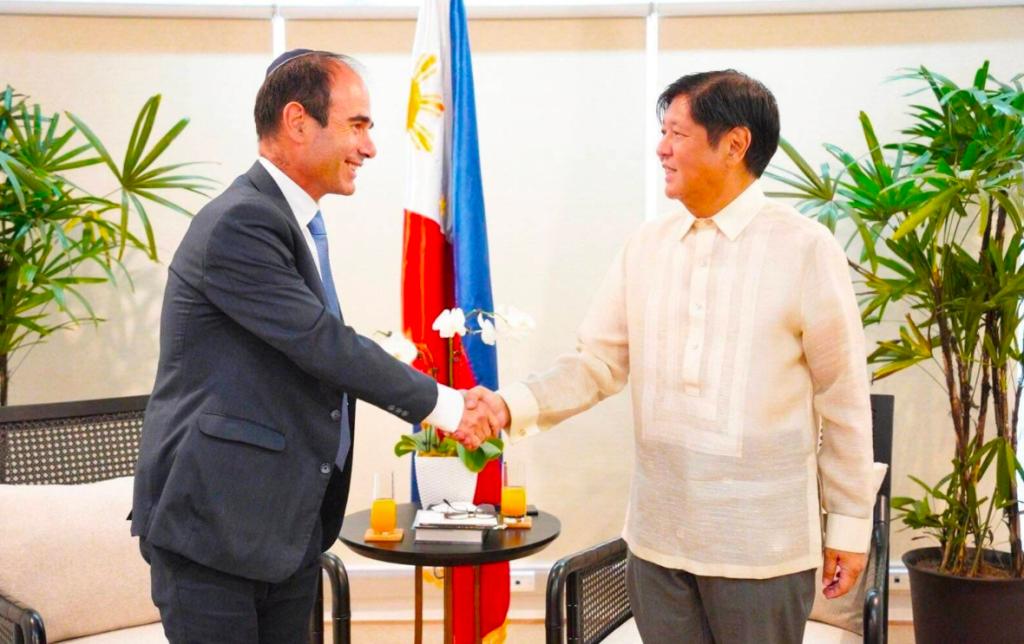
Israel’s Ambassador to Manila, Ilan Fluss, expressed gratitude for the Philippine government’s decision to abstain from voting on the recent United Nations General Assembly resolution that called for a ceasefire in the conflict between Israel and the Palestinian militant group, Hamas.
In an interview with Inquirer, Ambassador Fluss emphasized the omission of what he considered crucial elements from the resolution, stating that they were vital to both the Philippines and Israel.
“We do recognize and appreciate the abstention of the Philippine government, and it was explained that there was no mention of the terror attack of Hamas on Israel, which led to Israel deciding to attack Hamas,” Fluss pointed out.
He further noted that the resolution lacked references to the hostages, which Israel deemed extremely important.
The diplomat was referring to the October 7 assault by the Palestinian armed group on Israeli areas near the Gaza Strip, which included the bombing of civilian infrastructure and the killing of civilians. Israel reported that at least 1,400 Israelis perished in the attacks, including four Filipinos and other foreign nationals.
In response, Israeli forces unleashed relentless airstrikes into the densely populated Gaza Strip, aiming to eliminate Hamas forces.
According to the Hamas-controlled Gaza Health Ministry, the death toll among Palestinians had exceeded 8,000, as Israeli tanks and soldiers pursued what Israeli Prime Minister Benjamin Netanyahu termed a “second stage” in the war that began with Hamas’ brutal October 7 attack.
One of the key issues that infuriated Tel Aviv was the UN resolution’s failure to recognize Israel’s narrative of the “right to self-defense” triggered by the Hamas assault.
Fluss explained that efforts led by Canada to include these elements in the UN resolution were supported by 88 countries, falling short of the required votes by eight.
The Department of Foreign Affairs (DFA) explained that if Canada’s efforts to add more “factual information” about the October 7 attack and a “condemnation” of it had been included in the resolution, the Philippines would have voted in favor of it. The Philippine government also acknowledged Israel’s right to self-defense.
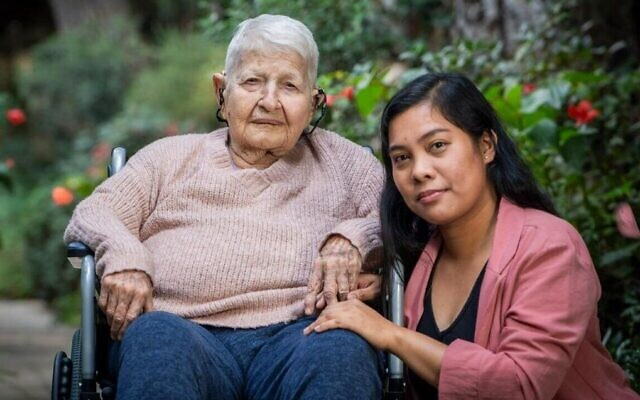
The DFA underlined that the Hamas attack had already claimed the lives of four overseas Filipino workers (OFWs) in Israel, and Ambassador Fluss suspected that the two missing OFWs were among the 230 hostages taken by Hamas into Gaza.
The UN resolution, adopted on October 28, called for an immediate ceasefire in the Gaza Strip, the release of all civilian hostages held by Hamas, the protection of civilians and international institutions, and the assurance of safe passage for humanitarian aid into Palestine.
While the resolution condemned “acts of terrorism and indiscriminate attacks” against civilians, it expressed “grave concern” over the “latest escalation of violence” that began with Hamas’ October 7 attack.
A total of 120 countries voted in favor of the resolution, with 14 others voting against it. The Philippines was among the 45 countries that abstained, along with Ukraine, Australia, and China.
Ambassador Fluss lamented the UN’s approach to resolutions, stating, “The UN has a lot of Israeli resolutions that take the Palestine narrative and not the state of Israel narrative.”
 The Daily Netizen