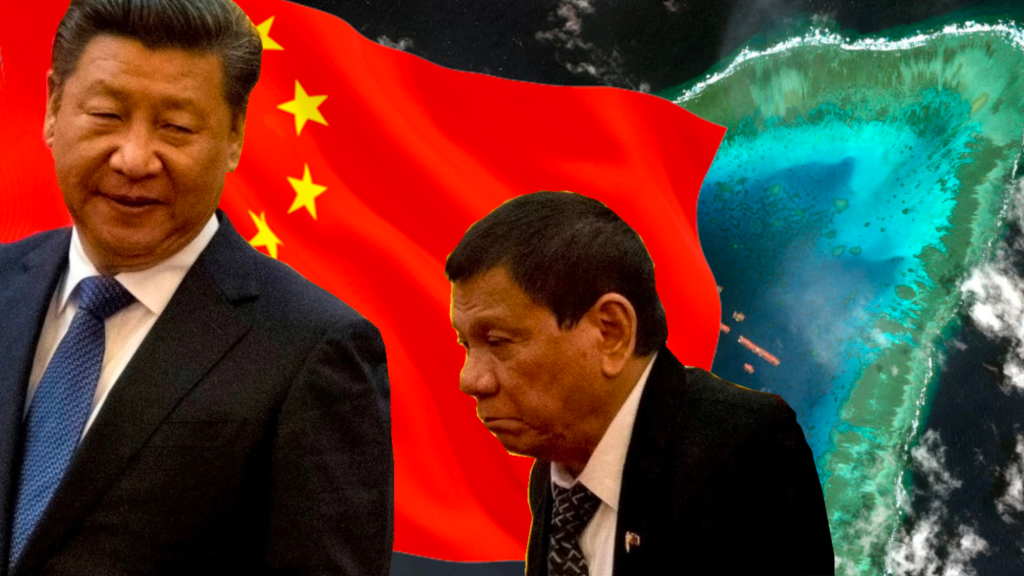
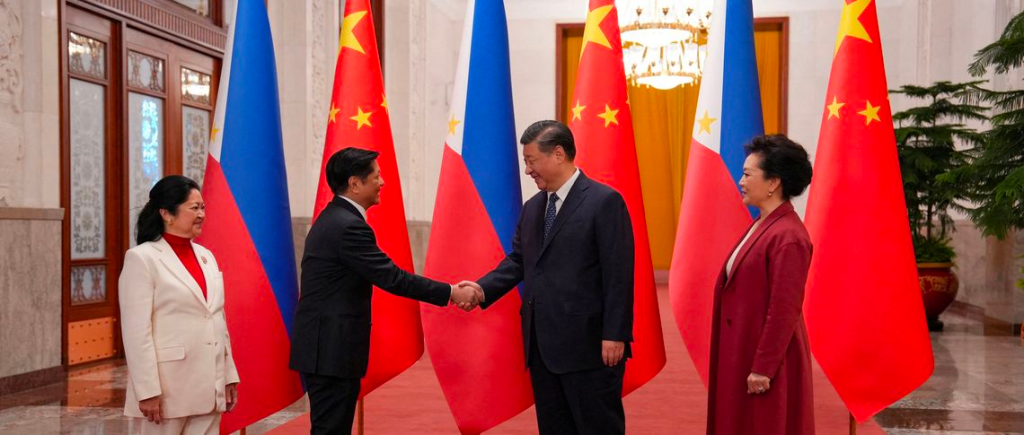
President Ferdinand “Bongbong” Marcos Jr. of the Philippines has taken a geopolitical turn, moving away from his predecessor’s pro-China position and indicating a possible rapprochement with the United States.
This transformative shift comes amidst a clandestine resistance within the Philippines, as revealed by unnamed military officials, against then President Rodrigo Duterte’s overtures to China, according to Reuters.
The historical backdrop of this diplomatic realignment lies in Duterte’s confrontational approach towards the United States and his pivot to China during his six-year term. This move strained the longstanding alliance between the Philippines and the U.S., setting the stage for a significant departure under the new administration.
Unnamed Filipino military officials played a pivotal role in resisting Duterte’s attempts to sever security ties with the U.S.
Their covert maneuvers, including defying orders to halt patrols in disputed areas with China and downplaying their presence in joint maritime drills with China, underscore a behind-the-scenes struggle within the Philippines.
“A senior defense official, who asked not to be named, told Reuters that he pushed back on that edict [to end US-PH military drills] and stressed to Duterte the benefits of the transfer of US technologies. The exercises continued,” Reuters report read.
The Biden administration’s prompt outreach to Marcos, coupled with high-profile visits from top officials, including President Biden, signifies a concerted effort to reset the U.S.-Philippines relationship.
Military analysts suggest that securing the Philippines as an ally is crucial for the U.S., especially given escalating tensions with China in the Asia-Pacific region.
Insiders reveal that senior Filipino military officials actively resisted Duterte’s attempts to align with China.
The military’s defiance included ignoring orders to halt patrols in disputed areas with China and downplaying their presence in joint maritime drills with China.
The military also played a crucial role in blocking Chinese investment deals that were deemed strategically compromising.
Duterte’s pro-China policy failed to deliver the promised economic benefits and investments. The Filipino public’s dissatisfaction, coupled with territorial disputes and a collision incident at sea, undermined the credibility of Duterte’s approach.
Bongbong Marcos, despite a family history of political turmoil and allegations of corruption, has pragmatically pivoted towards the U.S.
The Biden administration’s vaccine diplomacy played a crucial role in ensuring the continuation of the Visiting Forces Agreement (VFA), a key military pact between the two nations.
The recent strengthening of military ties between the U.S. and the Philippines includes the U.S. providing patrol boats, a surveillance aircraft, and committing to deliver advanced defense systems in the coming years.
The Philippines, in turn, has expanded U.S. military access to nine strategic sites, raising concerns from China and positioning the bases as potential staging grounds in a conflict over Taiwan.
This recalibration of foreign policy by Marcos has led to a widening political rift within the country.
The Duterte dynasty and its allies, known for their pro-China stance, are at odds with the new administration’s efforts to realign with the U.S.
The intricate dance between political factions may shape the Philippines’ future geopolitical positioning.
 The Daily Netizen