
Amid ongoing allegations of political interference and election fraud in the United States and other countries such as Brazil, Taiwan has once again showcased the resilience of manual vote counting against external interference and internal manipulation.
The election victory of anti-China candidate William Lai warrants a reconsideration of filmmaker Kim Deog-young’s influential documentary, “Your Vote Is In Danger,” released on April 15.
Kim’s foresight nine months ago, praising Taiwan’s manual ballot counting process, now stands vindicated as today’s election results, which proved unfavorable for China, validate his earlier insight.
Filmmaker Kim, also known as Young Kim, embarked on a journey to Taipei in 2022 to gain a deeper understanding of the nuances of Taiwan’s voting system.
The experience left him in awe, highlighting the risks of high-tech elections. Unlike many countries, Taiwan relies on a tech-free electoral process, where no electronic devices are involved in casting and counting ballots.
In his interview with The Korea Times, the curious filmmaker said, “It was very educational,” adding: “I learned a lot, particularly about the risks of high-tech elections.”
Taiwanese voters, much like their South Korean counterparts, mark their preferred candidates on a paper ballot.
However, the crucial difference lies in the counting methods. While South Korea uses electronic vote-counting machines, Taiwan persists in manually counting all the ballots.
This manual approach stems from the deep-seated concern among Taiwanese citizens regarding potential interference by China in their election results.

The fear of distorted voter choices led to the unique practice of transforming polling stations into ballot counting centers immediately after voting, minimizing the risk of malicious interventions.
The detailed process of manual counting involves election staff displaying each marked ballot for public scrutiny, according to The Korea Times.
“Manual counting takes time, but the old-fashioned way of counting votes is transparent and leaves little room for post-election disputes over irregularities,” Kim said.
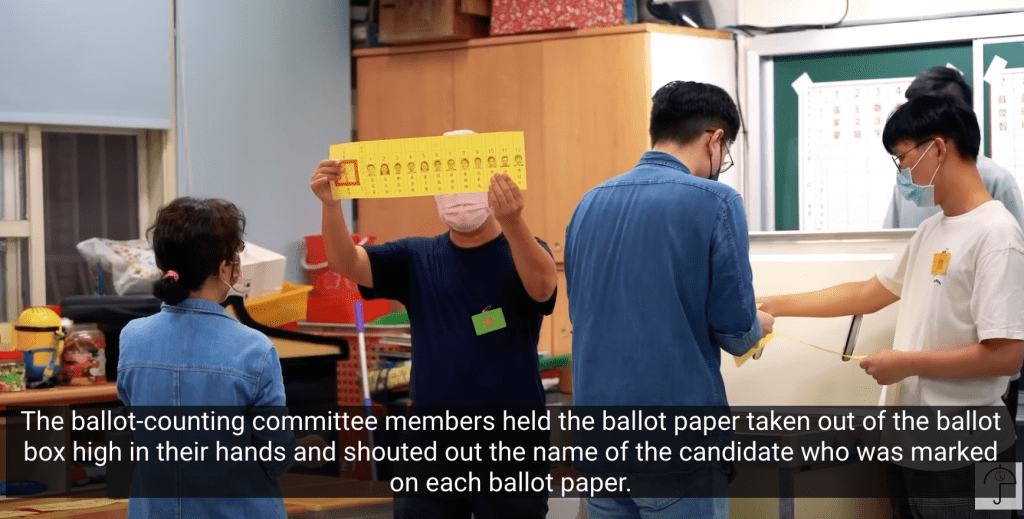
“I was struck by the unique election landscape in Taiwan and it opened my eyes to the risks of high-tech elections and cyberattacks from foreign countries.”
Each vote is then named, and the corresponding candidate’s tally is meticulously recorded. Despite being time-consuming, this traditional method ensures transparency and reduces post-election disputes over irregularities.
Kim’s documentary emphasizes the risks of high-tech elections and cyberattacks from foreign countries.

He underlines the contrast between Taiwan’s election landscape and the controversies surrounding electronic vote counting in other nations.
Arriving in Taipei days before the election, Kim witnessed Taiwan’s commitment to safeguarding its democratic process.
Government officials, including the foreign minister and digital minister, issued stern warnings to China against malicious interference in local elections, showcasing Taiwan’s resilience in the face of cyber threats.
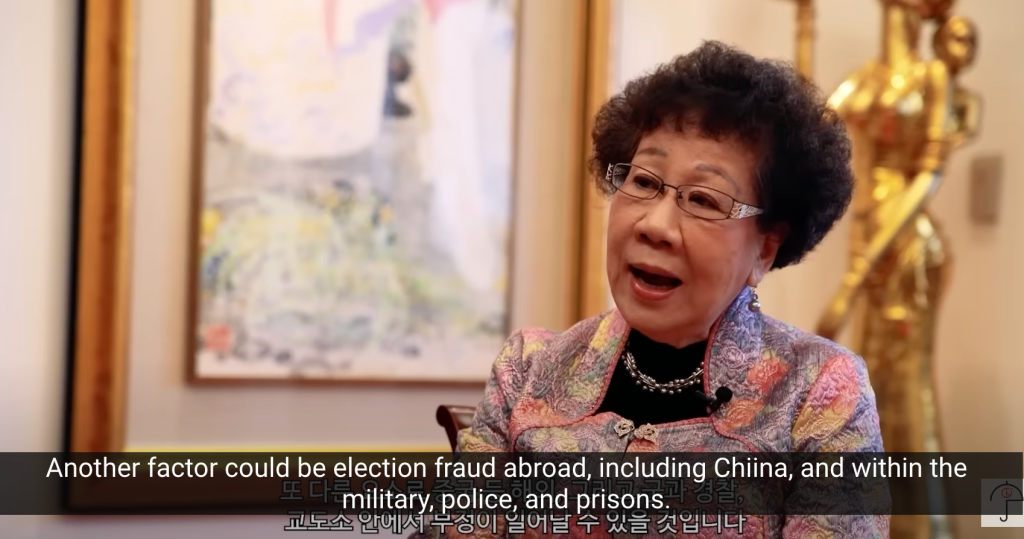
Highlighting a stark contrast with the controversial 2020 US presidential elections, where electronic counting in Democrat-dominated areas experienced delays and the sudden discovery of ballots, fueling speculation of widespread election fraud, Taiwan’s swift manual counting of nearly 20 million votes stands as a testament to the effectiveness of this approach against external interference.
Inspired by Taiwan’s electoral model, Kim’s documentary explores the lessons learned from Taiwan and digs into the election systems of other countries, including Germany and the United States.
The film revisits South Korea’s stolen vote controversy to uncover the root causes of post-election disputes.
Taiwan’s recent election, with its emphasis on manual vote counting, not only secured William Lai’s presidency but also offered a compelling case for the reliability of this approach in safeguarding against election interference and cheating.
 The Daily Netizen