
China found itself unable to influence and manipulate the results of Taiwan’s presidential election, where Lai Ching-te, known as William and considered a “separatist” and “troublemaker” by Beijing, emerged victorious.
The distinctive feature of Taiwan’s election process, conducted manually with no absentee, early, proxy, or electronic voting, played a pivotal role in curbing China’s influence or any attempts by insider and outsider power players to manipulate election results, a situation reminiscent of the highly controversial 2020 elections in the United States.
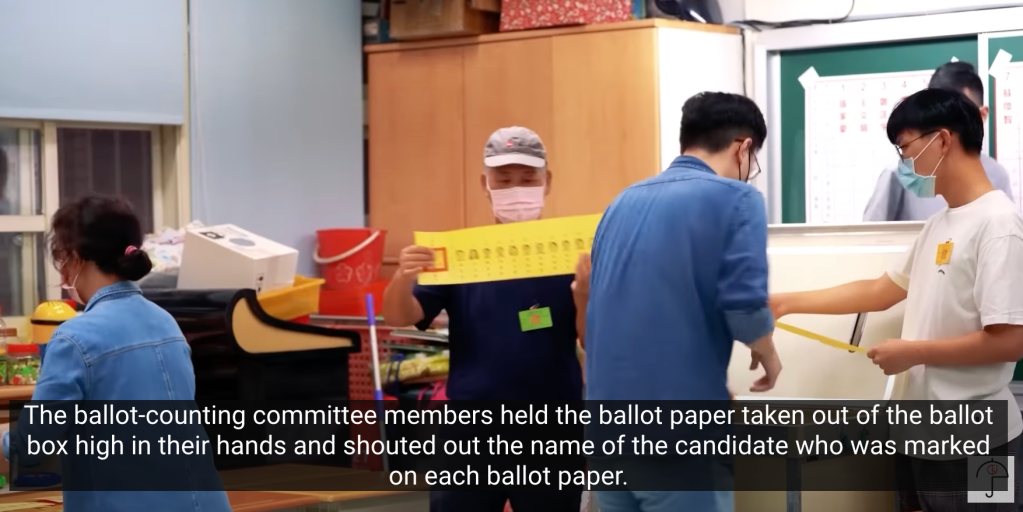
Taiwan’s election system involves casting votes in person, with manual counting and public scrutiny of each ballot.
In contrast to the controversy surrounding the 2020 United States presidential elections, Taiwan efficiently counted 19.5 million votes, highlighting the effectiveness of their traditional approach.
The 2020 U.S. elections faced allegations of irregularities, with controversies such as delayed results, thousands of ballots appearing at odd hours, and the discovery of mail-in ballots in Democrat-dominated cities, particularly in Georgia.

The reliability of the electronic counting systems was also questioned, creating uncertainties and casting a shadow over the electoral process, ultimately resulting in the highly questionable election of current U.S. President Joe Biden.
Lai’s victory marked an unprecedented third consecutive presidential term for the DPP.
In his post-election remarks, he affirmed Taiwan’s irreversible trajectory and expressed commitment to the right path forward, the BBC reported.
Lai characterized the win as a triumph of democracy, asserting that external forces did not influence the election. While accusing China of interference during the polls, Lai favored exchanges and dialogue over obstructionism and conflict, emphasizing peace and stability with Beijing.
China labeled Lai a “troublemaker” and “separatist,” highlighting tensions over Taiwan’s independence. Lai reassured that he would maintain the cross-strait status quo and safeguard Taiwan from threats without seeking independence, NBC News reported.
The U.S., Taiwan’s major ally, congratulated Lai, emphasizing commitment to cross-strait peace.
President Biden reiterated the U.S. position of not supporting Taiwan’s independence, according to Reuters.
Supporters celebrated outside the DPP’s headquarters, expressing happiness and commitment to democratic values.
Lai secured 40% of the vote, surpassing the main opposition Kuomintang’s candidate Hou Yu-ih.
The election also determined the legislature, where the DPP lost its majority, raising concerns about potential governance challenges with an opposition-dominated legislature and a DPP president.
 The Daily Netizen