
Content creators tend to explore various strategies to amass followers and garner attention. Two prominent approaches in this pursuit of popularity are “flexing” and “drama vlogging,” each with distinct characteristics that captivate audiences in unique ways.
Here, we’re talking about the vlogging strategies of two popular Filipino content creators, namely, FynestChina, the flexer, and Tito Mars, the free-rider.
Flexing, as a vlogging strategy, revolves around showcasing opulence, luxury, and an extravagant lifestyle to captivate the audience’s attention.
Content creators adopting this style often flaunt their wealth, possessions, and high-end experiences, creating a visual spectacle that appeals to viewers’ fascination with the finer things in life.
Elements commonly associated with flexing vlogging include the ostentatious display of expensive assets, documentation of lavish lifestyles, and engagement in high-stakes challenges.
Clickbait-style thumbnails and titles are frequently employed to entice viewers, promising a glimpse into a world of affluence.
While some viewers are drawn to the allure of extravagance, others may perceive flexing as a superficial or insincere representation of a vlogger’s life. Success in flexing vlogging hinges on the creator’s ability to strike a balance between showcasing luxury and delivering engaging, relatable content.
Drama Vlogging: Riding the Waves of Controversy
On the flip side, drama vlogging revolves around intentionally immersing oneself in controversies, feuds, or trending issues to attract attention, and this is what many so-called beauty gurus in the US and even in the Philippines do.
Creators employing this strategy leverage sensationalized titles, thumbnails, and narratives to generate clicks and views.
The key characteristics of drama vlogging include addressing controversial topics, actively participating in online conflicts, and riding on the popularity of trending figures or events.
Exaggerated elements in titles and thumbnails are used to create intrigue and entice viewers into consuming the content.
While drama vlogging can yield short-term spikes in attention and views, it comes with inherent risks.
The creator’s credibility may be compromised, and viewers may become skeptical if the content consistently lacks authenticity. Striking a balance between leveraging trending topics and delivering valuable, genuine content is crucial for long-term success.
Finding the Middle Ground: A Delicate Balance for Social Media Stardom

Ultimately, both flexing and drama vlogging are strategies to capture the ever-elusive spotlight in the vast social media landscape. Success in these approaches depends on a delicate balance, where creators must navigate between attracting attention and maintaining authenticity.
Creators should be mindful of the potential consequences of flexing, ensuring that the display of wealth aligns with genuine engagement and connection with the audience. Similarly, those adopting drama vlogging must tread carefully to avoid being perceived as insincere or opportunistic, striking a balance between controversy and content value.
In the fast-paced world of social media, adapting strategies while staying true to one’s brand is essential for long-term success. As creators continue to explore innovative ways to capture attention, the key lies in delivering content that resonates authentically with the audience, fostering genuine connections, and building a loyal following over time.
Vloggers use various strategies to gain followers and subscribers, and their success often depends on their unique style and the interests of their target audience. Here are some common types of vlogging strategies with examples:
- Educational/How-to Content:
- Examples: Tutorials, DIY projects, educational content in specific niches (cooking, technology, beauty, etc.).
- Entertainment/Fun Content:
- Examples: Pranks, challenges, funny sketches, and humorous commentary.
- Lifestyle Vlogging:
- Examples: Sharing daily life, routines, travel vlogs, and personal experiences.
- Review and Unboxing Videos:
- Examples: Reviewing products, gadgets, or services. Unboxing new items for the audience.
- Storytelling/Narrative Content:
- Examples: Sharing personal stories, experiences, or documenting a journey.
- Collaborations:
- Examples: Partnering with other influencers or creators for collaborative content, which can broaden the audience reach.
- Motivational/Inspirational Content:
- Examples: Sharing personal growth stories, providing motivational speeches, or offering advice.
- Behind-the-Scenes/Day-in-the-Life:
- Examples: Showing the behind-the-scenes aspects of the vlogger’s life or work.
- Interactive Content:
- Examples: Q&A sessions, polls, challenges where viewers can participate.
- Niche-Focused Content:
- Examples: Focusing on a specific niche, such as gaming, fitness, beauty, tech, or finance.
- Live Streaming:
- Examples: Interacting with the audience in real-time, answering questions, and providing live content.
- Vlogging Series:
- Examples: Creating a series of videos on a specific theme or topic, encouraging viewers to follow along.
- Contests and Giveaways:
- Examples: Hosting contests or giveaways to encourage engagement and attract new subscribers.
- Documentary-style Vlogs:
- Examples: Documenting a specific event, project, or journey in a series of vlogs.
- Trend-Related Content:
- Examples: Staying current with trends and creating content related to popular challenges, memes, or topics.
If a vlogger primarily focuses on flaunting personal wealth, possessions, or lifestyle for the purpose of gaining attention and shocking the audience, it can be categorized as a “flexing” or “shock value” vlogging strategy. This strategy is often characterized by an emphasis on extravagance, luxury, and making statements or creating content that is intended to be surprising, controversial, or attention-grabbing.
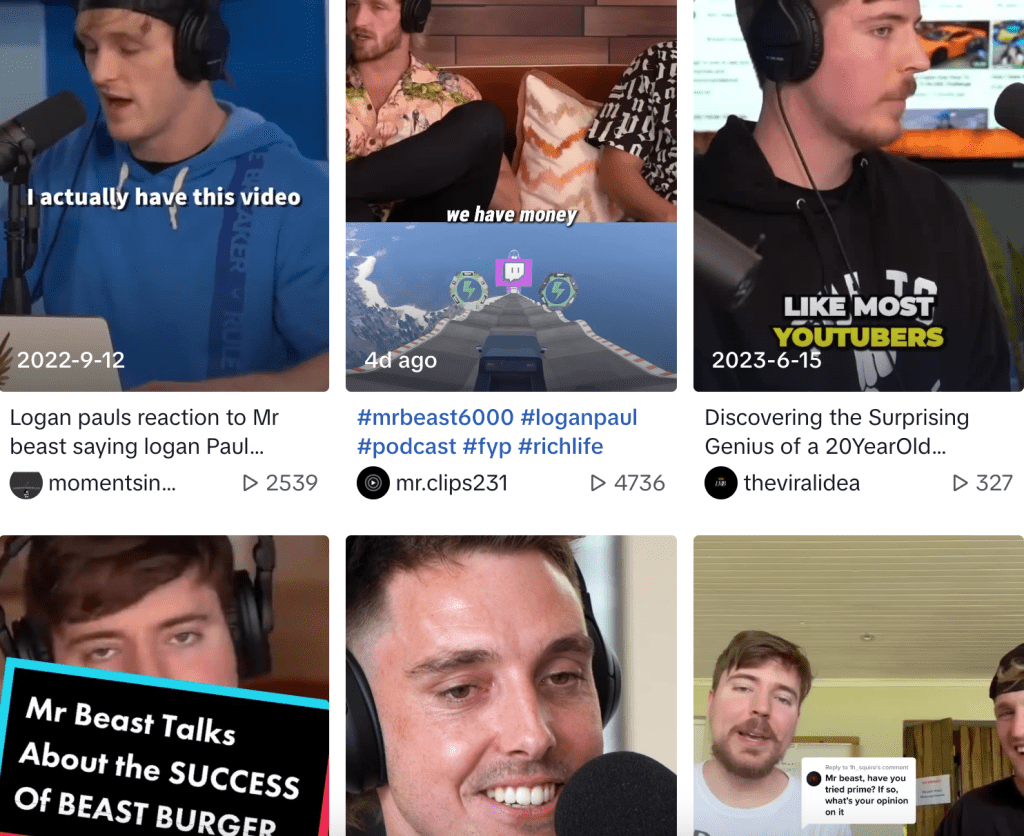
Here are some elements commonly associated with a flexing or shock value vlogging strategy:
- Display of Wealth:
- Showcasing expensive cars, homes, clothing, or other possessions as a way to highlight affluence.
- Lavish Lifestyle:
- Documenting extravagant experiences, high-end travel, or exclusive events to portray a luxurious lifestyle.
- Controversial Remarks:
- Making provocative or controversial statements to elicit reactions from the audience.
- High Stakes Challenges:
- Incorporating challenges or stunts with significant financial or material stakes to create a sense of drama or excitement.
- Attention-Grabbing Thumbnails and Titles:
- Using clickbait-style thumbnails and titles to attract viewers with the promise of shocking or sensational content.
- Public Stunts:
- Engaging in public stunts or behavior that may be considered outrageous or attention-grabbing.
This strategy can be polarizing, and the vlogger may receive both positive and negative feedback from the audience. Some viewers may find this type of content entertaining, while others may view it as excessive or insincere. Successful execution of a flexing or shock value strategy often depends on the vlogger’s ability to balance the shock factor with engaging and entertaining content that resonates with their target audience.
The style of riding on someone else’s popularity or intentionally getting involved in controversies to attract attention in vlogging is often referred to as “clickbait” or “drama” vlogging. This approach involves creating content with sensationalized titles, thumbnails, or narratives to generate clicks and views, often by leveraging trending topics, controversies, or other popular figures in the online space.
Key characteristics of clickbait or drama vlogging include:
- Controversial Topics:
- Choosing and addressing controversial or trending topics to stir up interest and engagement.
- Exaggerated Titles and Thumbnails:
- Using attention-grabbing titles and thumbnails that may exaggerate or misrepresent the content to lure viewers.
- Involvement in Drama:
- Actively participating in or fueling online drama, conflicts, or feuds to attract attention.
- Riding on Popularity:
- Associating oneself with popular influencers, events, or trends to leverage their popularity for personal gain.
- Sensationalism:
- Emphasizing sensational elements in the content, such as overemphasizing emotions, conflicts, or personal situations.
While clickbait or drama vlogging can lead to short-term attention and views, it may also risk damaging the vlogger’s credibility and reputation in the long run.
Viewers may become skeptical or disinterested if the content consistently lacks authenticity or if they feel manipulated by sensationalized tactics.
Successful content creation usually involves finding a balance between attracting attention and delivering genuine, valuable, and engaging content to build a loyal audience over time.
 The Daily Netizen