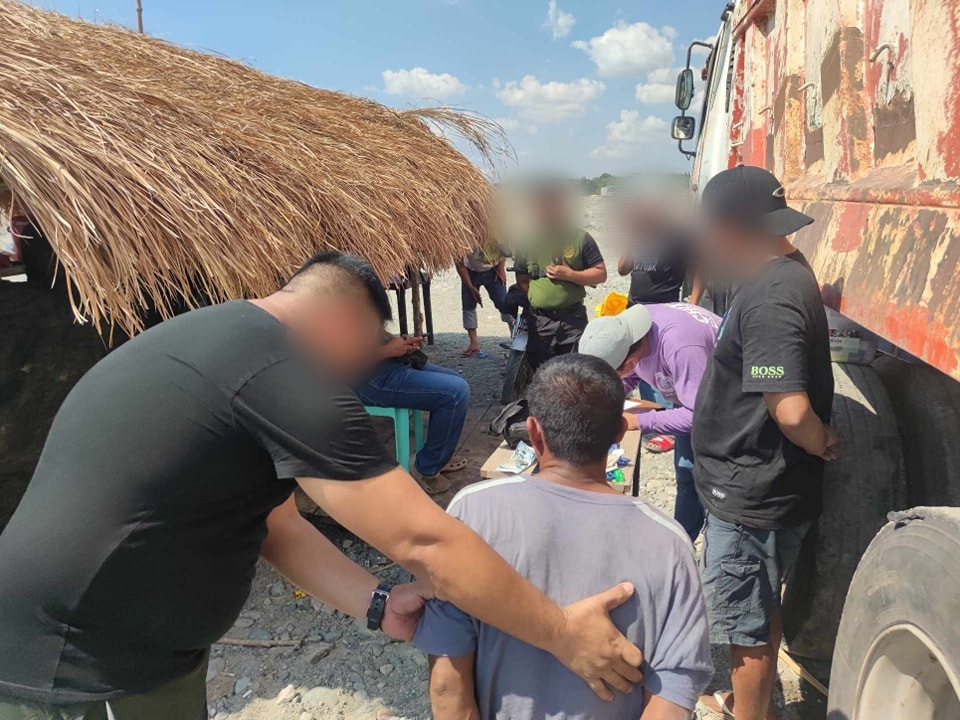
The swift reinstatement of seven anti-narcotics operatives from the Philippine Drug Enforcement Agency (PDEA) following a controversial sting operation in Solsona town, Ilocos Norte, raises serious questions about accountability and justice in law enforcement.
Initially relieved and investigated after allegations of misconduct surfaced, these agents were promptly reinstated without clear explanation or transparency regarding the internal probe’s findings.
Derrick Carreon, the PDEA spokesperson, declared absolution for the agents, asserting no irregularities or misconduct were uncovered during the investigation.
However, glaring discrepancies captured in a viral video, depicting a PDEA agent handling illegal substances without wearing gloves during the “buy-bust” operation, remain unaddressed.
Such negligence not only violates established protocols outlined in Section 21 of RA 9165 but also undermines the integrity and evidentiary value of seized items, as outlined in Sections 1 A.1.9 to A.1.10.
Furthermore, allegations of procedural breaches, including the absence of media or barangay officials during Dumlao’s apprehension, if we are to reconsider what we initially dismissed as “hearsay” from a local radio caller, raise concerns about due process and the potential fabrication of evidence.
A caller to DZJC Aksyon Radio detailed a troubling sequence of events, suggesting coercion, intimidation, and wrongdoing by PDEA agents.
This disturbing pattern of misconduct echoes past incidents, such as former BOC Commissioner Nicanor Faeldon’s admission of mishandling drug hauls due to the lack of glove usage.
However, Carreon’s dismissal of these allegations and the quick reinstatement of the agents highlight a concerning gap in accountability within PDEA ranks.
The contrast between the swift absolution of PDEA agents and the potential lack of due process afforded to Dumlao raises critical questions about fairness and equality under the law.
While we do concur with PDEA Director General Moro Lazo’s assertion that “the law applies to all, otherwise none at all,” it is imperative to ensure that this principle is equally applied to their own allegedly ‘erring’ highly compensated personnel in uniform, whose duty is to serve and protect.
 The Daily Netizen