Self-love and self-esteem are essential for our mental well-being, but unfortunately, many individuals grapple with feelings of self-hate.
Recognizing these emotions is the first step toward fostering self-compassion and seeking help when needed.
In this article, we will explore seven psychological signs that might indicate you’re struggling with self-hate.
1. Negative Self-Talk: The Inner Critic
Our internal dialogue shapes our self-image. When you engage in constant negative self-talk, where you criticize and belittle yourself, it can be a telltale sign of self-hate. These inner voices may berate you, call you names, or incessantly remind you of past mistakes.
This internal critic can significantly impact your self-esteem and overall well-being. To combat it, try practicing self-compassion and positive self-talk. Challenge those negative thoughts with kindness and understanding.
2. Self-Isolation: Withdrawing from Others
Feeling unworthy or unlovable can lead to self-imposed isolation. You may find yourself withdrawing from social interactions and distancing yourself from friends and loved ones. This isolation is often an attempt to avoid judgment or rejection, but it can worsen feelings of loneliness and despair.
Building healthy relationships and seeking social support can help counteract these tendencies. Remember that you are deserving of love and connection.
3. Perfectionism: The Endless Pursuit of Flawlessness
Perfectionism is a common manifestation of self-hate. It involves setting unattainable standards for yourself and equating your worth with your ability to meet those standards. When you inevitably fall short, you may feel like a failure, leading to a cycle of self-criticism.
Instead of pursuing perfection, aim for progress and self-acceptance. Embrace your imperfections as part of what makes you unique and human.
4. Self-Sabotage: Hurting Yourself Unintentionally
Self-hate can lead to self-sabotaging behaviors, such as overeating, substance abuse, or engaging in risky activities. These behaviors may offer temporary relief from emotional pain but ultimately harm your physical and emotional well-being.
Recognizing these destructive patterns and seeking healthier coping mechanisms is crucial. Professional guidance can provide you with the tools to break free from self-sabotage.
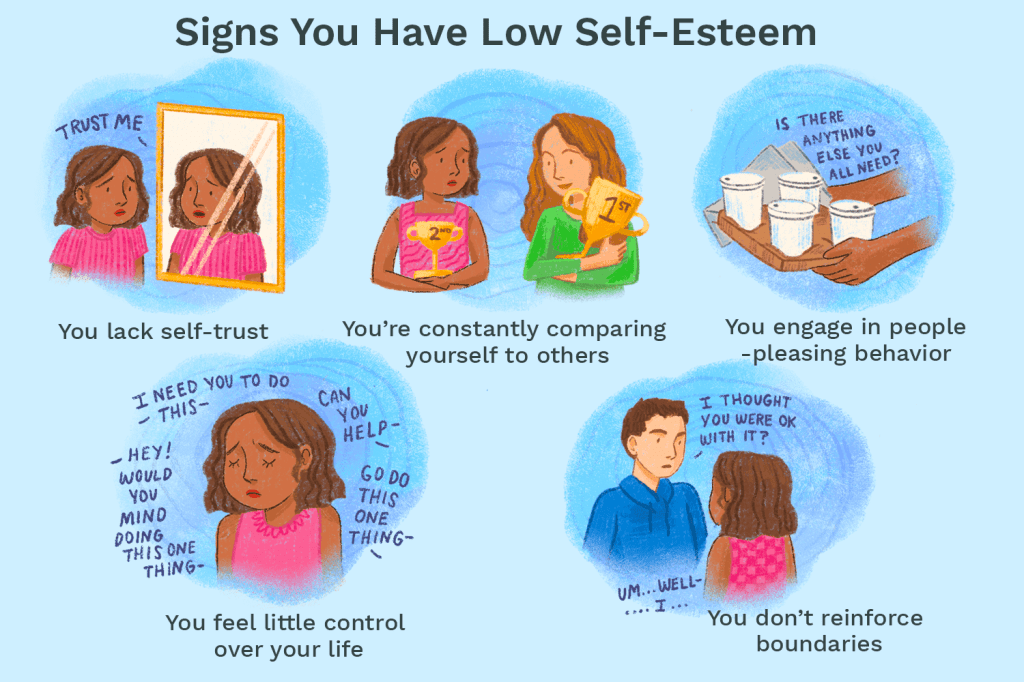
5. Low Self-Esteem: A Persistent Sense of Inadequacy
A constant feeling of worthlessness or inadequacy, regardless of your accomplishments or positive feedback from others, is a clear sign of self-hate. Low self-esteem can make you doubt your abilities and diminish your sense of self-worth.
It’s vital to work on building self-esteem by setting realistic goals, acknowledging your achievements, and seeking validation from within rather than relying solely on external sources.
6. Lack of Self-Care: Neglecting Your Well-Being
Neglecting self-care routines, such as proper nutrition, exercise, and grooming, can be indicative of self-hate. When you don’t value yourself, taking care of your physical and emotional needs may seem unimportant.
Prioritize self-care as a means to nurture your body and mind. Small acts of self-kindness can gradually rebuild your self-esteem.
7. Depression and Anxiety: Silent Struggles
Self-hate often goes hand in hand with mental health issues like depression and anxiety. Persistent feelings of sadness, hopelessness, and a loss of interest in things you once enjoyed are signs of depression. Anxiety may manifest as excessive worry and fear about the future.
Don’t hesitate to seek professional help if you’re experiencing symptoms of depression or anxiety. These conditions are treatable, and a mental health expert can guide you toward recovery.
Recognizing and addressing self-hate is a journey towards self-compassion and healing. You are deserving of love, respect, and happiness. By identifying these psychological signs and seeking support, you can break free from the grip of self-hate and start nurturing a healthier relationship with yourself. Remember that self-love is a lifelong practice, and each step forward is a step toward a brighter future.
 The Daily Netizen